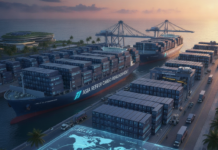


Container Shipping Overcapacity: The Illusion of Balance
Despite current market stabilization, the global logistics sector is bracing for a severe structural shift. While Red Sea diversions temporarily absorbed excess tonnage and suppressed 2024 overcapacity to a manageable 3-4%, experts warn this equilibrium is fleeting. Container shipping overcapacity is poised to surge, with vessel oversupply expected to reach 7-8% in 2025 as a massive wave of newbuilding deliveries enters the market.
Factors Driving Container Shipping Overcapacity in 2026
Industry analysts emphasize that container shipping overcapacity in 2026 is effectively baked in due to unprecedented capacity management strategies. Several key factors are accelerating this trend:
- Aggressive Fleet Expansion: Mega-carriers are heavily investing in new mega-ships while simultaneously retaining older vessels, doubling the capacity overhang.
- Diverging Trade Routes: Data from Xeneta and Drewry highlights a sharp divergence in spot rates, with transpacific routes facing immense downward pressure as carriers deploy surplus tonnage.
- Cooling Global Demand: New mainline and feeder vessels are being delivered into a macroeconomic environment characterized by cooling freight demand.
Strategic Responses to Container Shipping Overcapacity
As the market transitions into a pronounced downcycle by 2026, shippers must adapt to heightened volatility. While front-loading and cyclical rate dips may offer short-term cost advantages, the underlying fragility of the market demands robust risk management. Industry leaders should prioritize flexible routing, secure dynamic volume contracts, and leverage rate benchmarking tools to navigate the impending capacity glut.
References
- Freightos: Container Shipping Overcapacity & Rate Outlook 2026
- Freight Rate Trends 2026: Key Insights
- KONNECT – DECEMBER 2025 Industry Analysis
- Journal of Commerce: Latest Logistics Technology News
- Braemar Market Report 2025