Asia Port Congestion 2026: Navigating the 14-Year Reliability Low
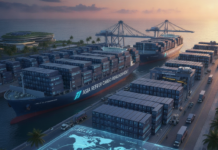
The global shipping industry is facing a severe bottleneck as Asia Port Congestion reaches unprecedented levels in the second half of 2026. Recent data reveals that global container vessel schedule reliability plummeted to 56.4% in July 2026, marking the sharpest single-month decline since January 2021. All 14 of Asia’s busiest container ports recorded significant drops in on-time vessel arrivals, creating a ripple effect across international supply chains.
The Shocking Drop at Mega-Hubs
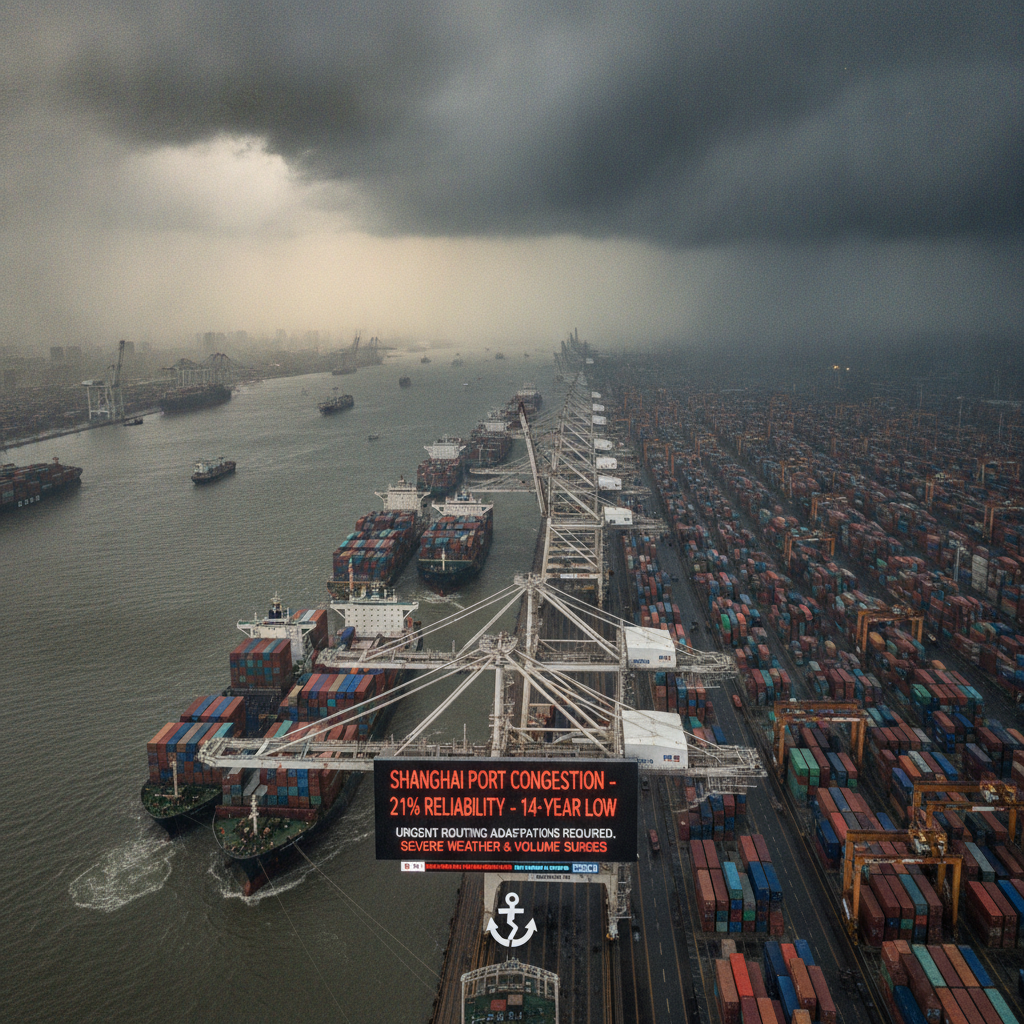
Regional mega-hubs are bearing the brunt of the crisis. Shanghai, the world’s largest container port, saw its schedule reliability crash by 19.2 percentage points to a staggering 21% in July 2026. Excluding the pandemic era, this represents the lowest reliability rate in 14 years of recorded data. Neighboring Ningbo and South China’s Yantian followed suit, plummeting to 34.6% and 48.3% respectively. Consequently, the global average delay for late vessel arrivals has climbed to 6.06 days.
Key Drivers Behind Asia Port Congestion
Several compounding factors are driving this logistical bottleneck. An unusually active 2026 typhoon season has battered the Chinese coastline, forcing successive temporary port closures and severe vessel bunching. Additionally, heavy monsoon rains in Southeast Asia have disrupted landside infrastructure, slowing down terminal operations. These weather anomalies are clashing with peak seasonal export volume surges, overwhelming transshipment operations and expanding the scope of the Asia Port Congestion crisis.
Strategic Implications for Supply Chains
For logistics professionals, mitigating the fallout requires agile routing and diversified carrier networks. With over 50% of vessels currently delayed at primary Asian gateways, analysts warn that this backlog will cascade through the maritime network, triggering a new wave of delays for transpacific and Asia-Europe head-haul trade lanes into Q4 2026. Early booking, increased buffer inventories, and alternative routing are now critical survival tactics.
References
- Sea-Intelligence / CLECAT (Sept 2026)
- Seatrade Maritime News: Over 50% of vessels delayed
- Tradlinx Blogs: Shanghai Schedule Reliability
- Forto: Monsoon Season Supply Chain
- APL Logistics: Customer Advisory