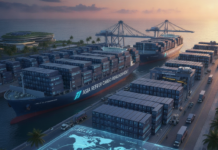

The maritime logistics sector is facing unprecedented challenges following the severe 2026 Strait of Hormuz disruption. Triggered by geopolitical conflict in late February 2026, this crisis effectively bottlenecked one of the world’s most critical maritime chokepoints. Prior to the closure, the strait facilitated the transit of approximately 20 million barrels of crude oil per day, representing roughly 25% of global seaborne oil trade and nearly 20% of global liquefied natural gas (LNG).
The sudden halt in vessel movement generated shockwaves across global supply chains. According to industry data, tanker traffic through the corridor collapsed by an estimated 95% at the peak of the crisis. Logistics managers were forced to rapidly adapt as standard routing paradigms were dismantled overnight. Key operational impacts included:
- Over 1,550 commercial vessels and 22,500 mariners were temporarily stranded in the region.
- Skyrocketing marine insurance premiums and volatile freight rates emerged for alternative routes.
- Severe delays in energy shipments cascaded into chemical and fertilizer production shortages.
Although a June 2026 Memorandum of Understanding initiated a cautious restart to shipping traffic, market confidence remains incredibly fragile. For logistics experts, the prolonged 2026 Strait of Hormuz disruption underscores the critical need for dynamic supply chain resilience. Moving forward, transportation management systems must integrate real-time scenario planning and agile rerouting capabilities to mitigate the financial fallout from simultaneous maritime chokepoint closures.
References
- International Energy Agency (IEA), Strait of Hormuz About 2026.
- Strait of Hormuz Closure 2026: What It Means for Your Supply Chain.
- Indian Institute of Logistics, Strait of Hormuz 2026.
- Strait of Hormuz Closure: Impact on Shipping.
- Kiel Institute, Energy Bottlenecks and Global Food Security.
- Wikipedia, 2026 Strait of Hormuz crisis.
- WTO, Strait of Hormuz Trade Tracker.