
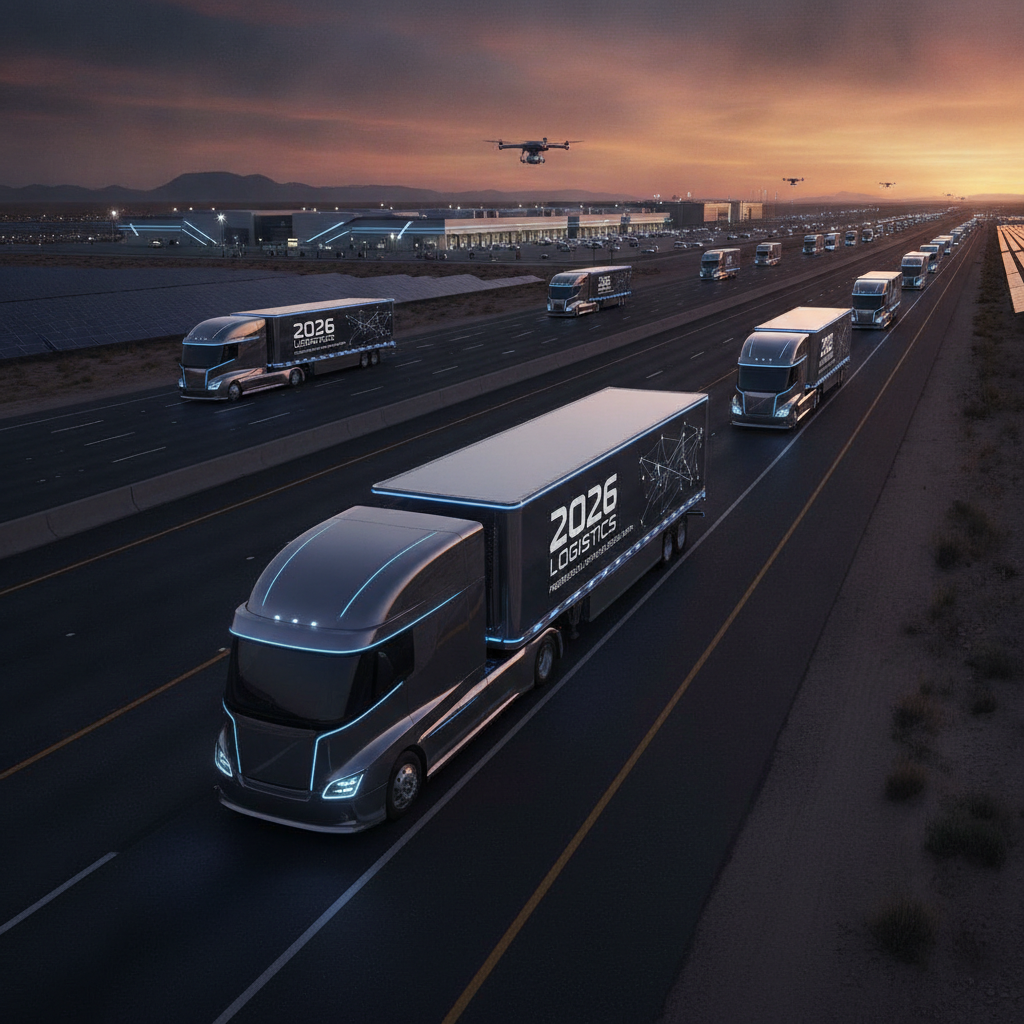
The commercial logistics sector is undergoing a massive transformation as Autonomous Freight Trucking transitions from pilot programs to large-scale deployment. Facing persistent labor shortages, supply chain operators are aggressively investing in driverless technologies to stabilize their operations.
The financial imperative for automation has never been clearer. In 2025, the Level 4 autonomous highway trucking market crossed $1.2 billion and is projected to reach $1.5 billion in 2026. A major catalyst is the severe structural driver deficit. With the industry driver shortage projected to exceed 160,000 by 2031, human compensation now accounts for up to 40% of total linehaul operating expenses. Autonomous freight solutions offer a direct path to mitigating these severe margin compressions.
Strategic partnerships are defining the current market landscape. Recent multi-year commercial agreements highlight the commercial maturity of the technology across North America. Industry experts note that for long-haul routes, early adoption provides an insurmountable competitive edge.
- Upfront Hardware Investments: Major carriers are underwriting significant upfront hardware costs to secure predictable per-mile expenses.
- Regulatory Milestones: Favorable frameworks in the US are accelerating deployments across crucial freight corridors.
For logistics experts, the transition is no longer speculative. Delaying integration means risking severe financial compression. Autonomous Freight Trucking represents a fundamental capital reallocation that will define supply chain resilience for the next decade.
References
Level 4 Autonomous Highway Trucking Market Size, Future Market Insights
Autonomous Trucks Market Report 2026-2035, MarketsandMarkets
Automated Truck Market Analysis Report 2036, Fact.MR