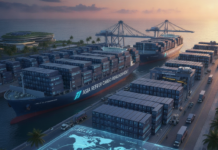

The landscape of Asia Maritime Security in 2026 presents complex challenges for global logistics professionals. As supply chains become interdependent, securing maritime choke points is vital for international trade.
Recent developments have altered the operating environment across Asian shipping lanes. According to a 2026 global shipping report, authorities assess the threat level in the Strait of Hormuz as critical following multiple incidents involving merchant vessels. The clustering of vessels at anchorages like Jebel Ali elevates routine navigation risks due to congestion and electronic interference. Naval advisory channels actively discourage transit through high-risk zones, turning caution into constraints that impact crew logistics and schedule integrity.
Beyond traditional piracy, Asia Maritime Security is defined by non-traditional vulnerabilities. Shipping companies must navigate GPS and Automatic Identification System (AIS) signal denial in contested regions. The industry faces evolving risks from ransomware and supply-chain cyber intrusions. Because undersea cables and logistics hubs form the backbone of maritime connectivity, their protection is now a critical component of East Asian security frameworks.
Adapting to these maritime security challenges requires robust contingency planning. Heightened alerts from maritime centers underscore the necessity for shipping operators to integrate advanced threat intelligence. By understanding Asia Maritime Security, the shipping industry can better mitigate risks and ensure the flow of global trade.
References
- RIPS: Research Institute for Peace and Security (2026)
- Skuld: Maritime Security Update (2026)
- Inchcape: Security Risks Impacting Global Shipping (2025)
- Governing Cyber Threat Intelligence Sharing (2026)
- Skuld: Gulf Region Maritime Security (2026)