
The Rise of Supply Chain Digital Twins
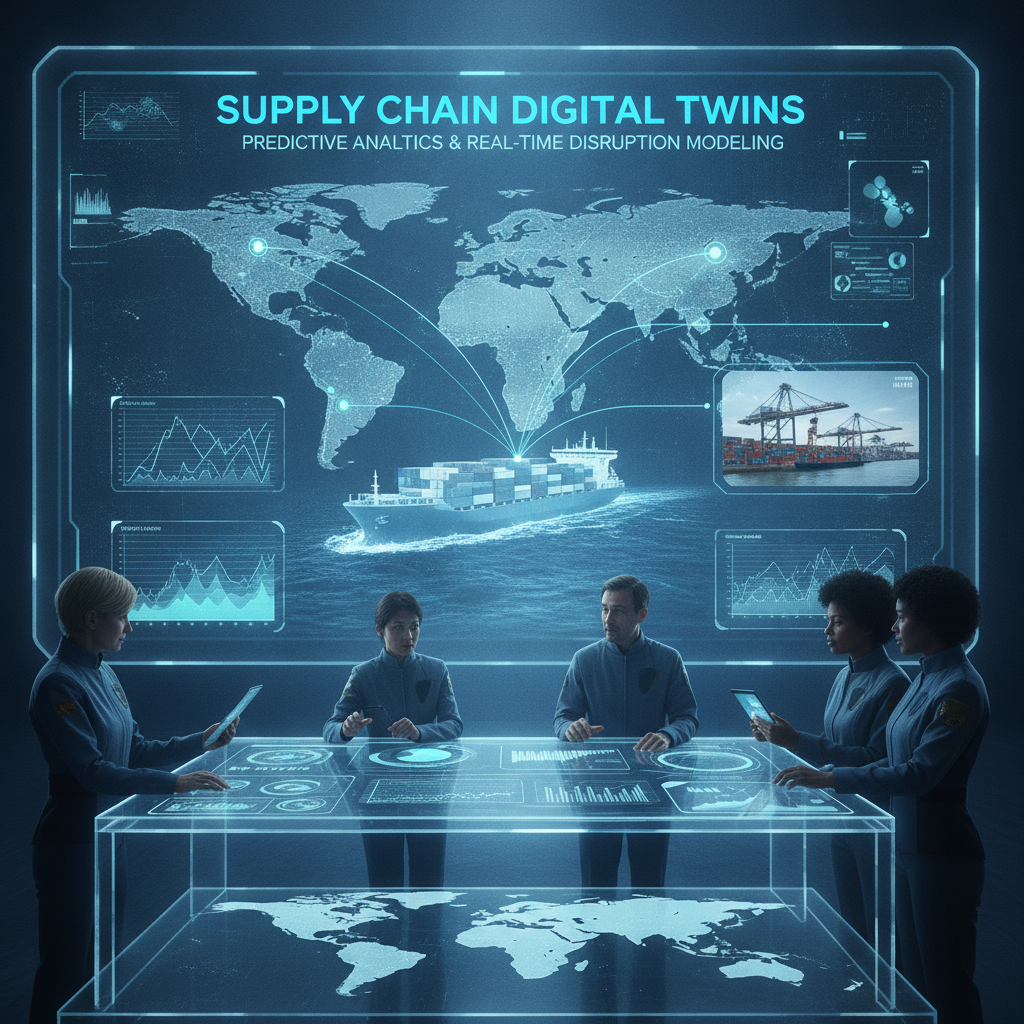
For shipping experts, reactive management is obsolete. In 2026, Supply chain digital twins have become core operational infrastructure. These virtual replicas use real-time IoT data and AI to simulate the physical supply chain. The global supply chain digital twin market is expanding at a 38.1% annual rate, projected to reach $47.32 billion by 2034.
Predictive Modeling with Supply Chain Digital Twins
The primary value of a Supply chain digital twin is simulating disruptions—like port closures or demand spikes—without risking physical operations. Early logistics adopters report operational improvements, including up to 30% better forecast accuracy and an 80% reduction in delays. Organizations are actively shifting from hindsight reporting to proactive resilience.
Key Benefits of Supply Chain Digital Twins
- Enhanced Forecasting: AI-driven twin models cut forecast errors by up to 50%.
- Cost Optimization: Simulating strategies trims warehousing costs by 5% to 10%.
- Self-Healing Networks: Next-gen twins use AI to automatically resolve anomalies in real time.
Analysts predict over 40% of large enterprises will rely on digital twins by 2027. For logistics professionals, investing in Supply chain digital twins is a critical mandate for survival in a volatile global market.
References
- nShift. Predictive delivery as a 2026 logistics trend.
- CBC. Digital Twins: Creating Virtual Supply Chain Models.
- Digital Twin Logistics Market Size to Hit USD 47.32 Billion.
- FLOX Blog. Digital Twins in Logistics.
- Locus. Real-Time Supply Chain Digital Twins Go Mainstream.