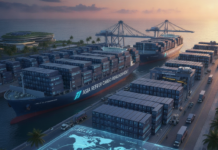


The global logistics sector is currently grappling with severe capacity constraints and soaring costs. Analyzing the unprecedented Transpacific Freight Surge reveals a complex web of geopolitical tensions and regulatory pressures reshaping supply chains. By mid-2026, spot rates from Asia to the U.S. West Coast surged past $6,200 per forty-foot equivalent unit (FEU), representing a 120% climb since mid-May. Meanwhile, East Coast rates soared to approximately $8,000 per FEU.
A primary driver of this market volatility is the aggressive frontloading of cargo by U.S. importers. Shippers are accelerating shipments to outpace anticipated supplier price increases and looming tariff deadlines, specifically the expiration of temporary Section 122 tariffs in late July 2026. This frontloading frenzy has fundamentally disrupted traditional shipping cycles, forcing an unusually early peak season. Furthermore, ongoing disruptions in the Strait of Hormuz have effectively tightened global vessel supply, requiring longer transit routes.
Despite carriers deploying record capacity, including an all-time high of 350,000 TEU to the U.S. West Coast in late June 2026, demand continues to outstrip supply. To mitigate the effects of this surge, industry experts recommend a highly proactive approach.
- Secure space early to avoid last-minute spot rate premiums.
- Utilize multi-modal transport options to bypass congested transshipment hubs like Singapore and Shanghai.
- Monitor carrier peak season surcharges (PSS), which have already added $1,000 to $3,000 per FEU.
As the logistics industry navigates the Transpacific Freight Surge, the trajectory of ocean freight rates will largely depend on the resolution of U.S. trade policies. Should new tariffs lock in, import demand could freeze, potentially cooling off rate hikes by the third quarter.
References
- Google Search (2026): Trans-Pacific Shipping Surge Drives Capacity Crunch.
- Hylios (2026): Asia-US Container Rates Hit $7900 as Peak Season Demand Surges.
- iMarine (2026): Container Spot Rates Surge to Post-Pandemic High.
- Supply Chain Dive (2026): Transpacific ocean rates fueled by early peak.
- Scan Global Logistics (2026): Ocean freight market turns red hot.
- Centre Daily Times (2026): Ocean freight rates retreat as tariff uncertainty freezes import demand.