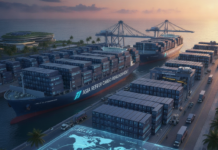


As supply chains restructure, Asian Intra-Regional Connectivity has emerged as a critical growth vector for maritime logistics in 2026. Experts indicate that traditional trade patterns are shifting. With manufacturing pivoting towards Southeast Asia, intra-Asian trade lanes are capturing unprecedented volume. Forecasts project a 6% to 8% growth in intra-Asian lane traffic as regional economies strengthen domestic networks and reduce transpacific reliance. This structural shift has prompted shipping lines to deploy capacity across secondary regional ports.
While the momentum behind Asian Intra-Regional Connectivity presents lucrative opportunities, it introduces complex operational hurdles for freight forwarders. Increased vessel deployments have helped stabilize earlier freight rate spikes. However, cargo flow asymmetry between manufacturing nations and consumption markets has intensified empty container repositioning costs. Recent maritime data reveals that empty container movements account for approximately 22% of total container throughput on intra-Asian routes. Managing this costly imbalance requires sophisticated digital forecasting from operators.
To capitalize on Asian Intra-Regional Connectivity, professionals must prioritize route optimization. The market’s resilience—highlighted by recent container index surges of up to 50% year-over-year—proves that regional trade is now a primary profit center. Logistics leaders should leverage advanced data analytics to mitigate empty mileage and capture high-value intermediate goods traffic.
References
- Vizion: Global Container Trade 2025 Performance Review and 2026 Forecasts.
- JCtrans: Optimizing empty container repositioning inside intra asia loops.
- Ufreight: Intra-Asia container rates ease.
- Drewry: Intra-Asia Container Index, July 2026.