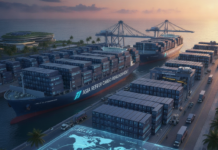


For logistics and shipping experts, the era of predictable transit times has given way to a volatile new normal. Recent data highlights how plunging ocean schedule reliability has reshaped supply chain resilience strategies over the past two years. Rather than a temporary pandemic anomaly, depressed on-time performance has consolidated into a baseline operational reality.
According to maritime analyst firm Sea-Intelligence, global schedule reliability hovered at a dismal 50-55% throughout 2024. The crisis deepened in early 2025, with January reliability hitting just 51.4%, effectively indistinguishable from post-2020 lows. While late 2025 saw a mild recovery—averaging 61.5% for the year—this still sits well below the historical 70-80% standards that defined the pre-2020 market. For cargo owners, this translates to tangible operational friction; when a vessel is late, it is delayed by an average of over 5 days, forcing importers to carry excess buffer inventory.
To combat plunging ocean schedule reliability, top alliances are aggressively restructuring. The Gemini Cooperation, consisting of Maersk and Hapag-Lloyd, explicitly designed their new network to target a 90% reliability rate through a hub-and-spoke model and adaptive scheduling. Meanwhile, industry surveys note that 64% of Chief Procurement Officers now prioritize end-to-end visibility specifically for risk mitigation. Moving into 2026, shippers must bridge the visibility gap between operational tracking and financial systems, treating schedules as fluid forecasts rather than rigid guarantees.
References
- The Loadstar (January 2026): Unreliability is the new normal for container shipping
- ONU Commerce (December 2024): Enhancing supply chain resilience amid rising global risks
- Panvaya (July 2026): What Ocean Schedule Reliability Means for Your Cargo in 2026