
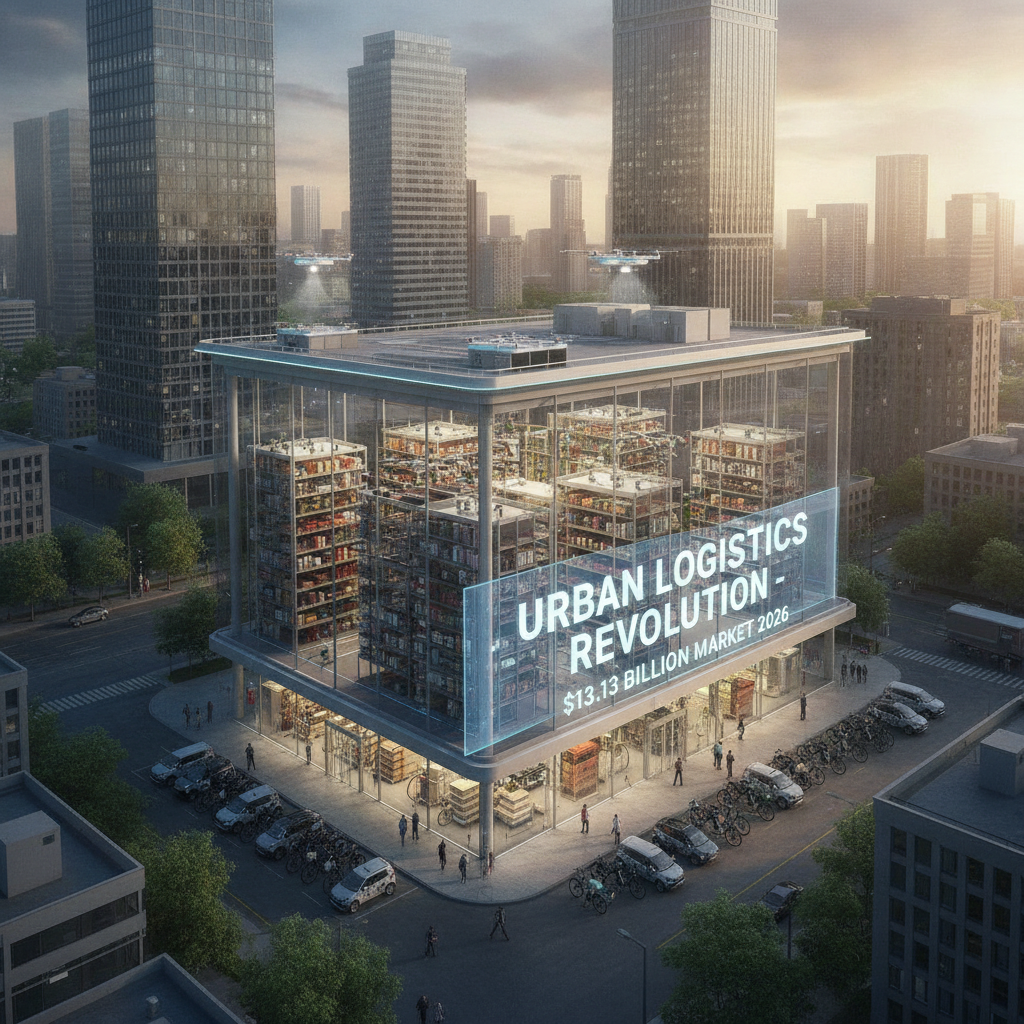
The global supply chain landscape is undergoing a massive transformation, driven by soaring consumer demands for rapid delivery and rising operational costs. At the forefront of this evolution are Micro-Fulfillment Centers (MFCs), which are fundamentally redefining urban logistics. Industry data indicates the market size for these facilities is projected to surge from $9.12 billion in 2025 to $13.13 billion in 2026. This rapid expansion highlights how hyper-local nodes are becoming indispensable for major retailers and third-party logistics providers.
Unlike massive regional distribution hubs, Micro-Fulfillment Centers are strategically positioned within densely populated urban environments. This proximity to the end consumer allows companies to execute highly efficient same-day and sub-hour delivery models while drastically reducing last-mile bottlenecks. Supply chain experts note several critical operational benefits driving MFC adoption:
- Significant reduction in delivery distances by 50% to 70% across urban corridors.
- Substantial decreases in last-mile delivery costs, with some major retailers cutting shipping expenses by up to 90%.
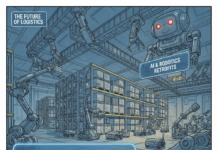
- Enhanced resilience against labor fluctuations through the integration of artificial intelligence and robotics.
As e-commerce logistics evolve, the integration of automation within Micro-Fulfillment Centers is stabilizing throughput and improving operational predictability. Furthermore, with reverse logistics complexities mounting, these localized hubs provide an agile framework for managing returns and order consolidation seamlessly. Looking ahead, the continued deployment of dark stores and automated picking systems will cement the role of MFCs as the undisputed backbone of next-generation retail logistics.
References
Source: Micro Fulfillment Market Size: $18.58 Bn by 2035 Report
Source: IPEC Group – Logistics Trends 2025: Transforming Supply Chains
Source: Micro Fulfillment Market Size, Share & Trends Analysis Report