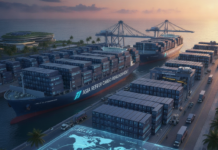


The landscape of global trade is rapidly evolving, making Cross-Border E-Commerce Fulfillment a critical differentiator for modern supply chains. Recent market analysis reveals that global cross-border e-commerce volumes are projected to grow at a staggering compound annual growth rate (CAGR) of approximately 24% through 2028. This explosive expansion is forcing logistics experts to rethink traditional distribution models to meet the demands of international consumers.
To keep pace with rising order volumes, leading logistics providers are heavily investing in technology-enabled distribution. Smart logistics platforms powered by artificial intelligence and IoT now manage over 60% of freight operations in major markets, optimizing routes and significantly enhancing delivery accuracy. Key industry developments in 2025 and 2026 include:
- Strategic infrastructure investments, such as new high-capacity hubs in Central Europe.
- Advanced partnerships between global e-commerce platforms and regional delivery specialists.
Beyond speed and automation, resilience has become the cornerstone of international logistics. Current studies indicate that 81% of companies are proactively diversifying their suppliers and transportation partners to mitigate geopolitical risks and regional disruptions. Furthermore, navigating complex customs jurisdictions, dynamic duty calculations, and sustainable carbon reporting requirements now demands a highly specialized ecosystem. As the industry moves deeper into 2026, embracing these technological and structural shifts will be essential for operators aiming to maintain profitable and scalable international shipping networks.
References
Cargo Shipping Market Research Report 2034; Cross Border E-Commerce Logistics Market Size; China Logistics & Supply Chain 2026; Air Cargo Market Growth Analysis; Cross Border E-Commerce Logistics Market Future; Supply Chain and Logistics for B2B Market Size; Fulfillment Services Market Research Report 2034.