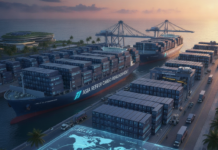


The global logistics landscape is experiencing a dramatic shift as the 2026 early peak shipping season accelerates at an unprecedented pace. Importers are aggressively frontloading fall and holiday merchandise to circumvent anticipated tariff hikes and rising fuel costs linked to geopolitical tensions. This proactive supply chain strategy has rapidly tightened available vessel space, prompting a massive surge in ocean container rates across major trans-Pacific trade lanes.
Recent industry metrics highlight the sheer scale of this inventory pull-forward. U.S. inbound cargo volume for June 2026 is forecast to reach a staggering 2.25 million TEUs, representing a 14.3% increase compared to historical baselines. Consequently, the CTS Global Price Index climbed sharply to 89 points, marking its most significant jump since the Red Sea capacity crisis. Furthermore, some trade lanes have witnessed rate increases of up to 1,000% in a single week as ocean carriers implement multiple peak-season surcharges.
While the early peak shipping season presents immediate challenges, market analysts project the surge will be brief. Import volumes are expected to decline to 2.12 million TEUs by August as economic uncertainty dampens consumer demand. To navigate this volatile period, supply chain professionals must:
- Continuously update routing guides and holiday coverage plans.
- Monitor alternative maritime corridors to avoid sudden congestion.
- Evaluate inventory holding costs against surging spot market rates.
Ultimately, agility and real-time data will remain critical for shippers seeking to mitigate exposure.
References
Laufer Group: Container Trade Holds Firm as Retailers Pull Peak Season Forward.
Freight Graph: Ocean container rates up 1,000% on some lanes.
S&P Global: US retailers forecast early and brief peak shipping season.