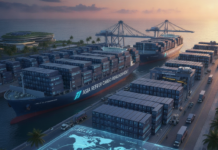


In 2025, the logistics sector witnessed unprecedented transformations, largely fueled by aggressive trade policies. As the average effective U.S. tariff rate reached a staggering 16.8%, companies were forced to rapidly rethink their global networks. This tariff-driven supply chain rerouting shifted cargo volumes away from traditional hubs, causing ripple effects across major ocean freight corridors and inland distribution networks. Importers aggressively diverted shipments through Southeast Asian ports, such as Cai Mep and Tanjung Pelepas, to mitigate direct exposure to steep duties on Chinese goods.
The operational and financial impacts of these sudden policy shifts have been severe. Anticipatory shipping caused severe inbound congestion at U.S. West Coast ports, while over 80 blank sailings were recorded in April 2025 alone, representing the highest level since May 2020. Consequently, the transpacific container spot rate from Shanghai to Los Angeles skyrocketed by 117% in just one month, approaching $6,000 per forty-foot equivalent unit by June 2025.
To survive this volatile era, logistics experts must prioritize agility. Key adaptations observed across the industry include:
- Diversified Sourcing: Expanding supplier networks into lower-tariff nations to navigate complex country-of-origin rules.
- Advanced Analytics: Deploying predictive tools to manage unpredictable arrival times and fluctuating inland chassis demand.
- Flexible Routing: Utilizing secondary and Gulf Coast ports to circumvent congestion at primary coastal terminals.
As trade tensions persist, supply chain leaders must shift from reactive scrambling to proactive network design. Building resilience against tariff shocks will ultimately define logistics success in the coming years.
References
- ITC Diligence International. How Tariffs Disrupted Shipping Patterns in 2025.
- Portcast. Navigating the 2025 Tariff Wave: Critical Actions for Manufacturers.
- Z2Data. The 9 Key Supply Chain Statistics That Tell the Story of 2025.
- Unicargo. Global Freight Landscape in Mid-2025: Tariffs, Rates, and Resilience.
- SupplyChainBrain. Tariffs Drive Chaotic Year for Imports at U.S. Ports in 2025.