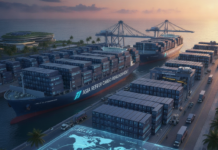


Trans-Pacific shipping is experiencing a paradigm shift as tariff-driven frontloading upends traditional seasonal cargo flows. Faced with the threat of new U.S. tariffs and protectionist policies, shippers accelerated inventory movements heavily in early 2026. This rush to beat import duty deadlines resulted in massive volume spikes, with the Port of Los Angeles processing over 1 million TEUs in June 2026—its best June performance in 118 years. Global Port Tracker projects a highly elevated first half of 2026, reaching 12.77 million TEUs as importers act to mitigate trade uncertainties.
Ocean Freight Rates and Capacity Pressures
This aggressive tariff-driven frontloading strategy has aggressively collided with structural capacity constraints. Rerouting vessels around the Cape of Good Hope has added 15 to 18 days to Asia-Europe voyages, absorbing crucial container capacity and keeping ocean freight rates elevated. Instead of a traditional late-summer peak, industry experts predict a highly volatile second half of the year as the early cargo pull-forward artificially deflates Q3 and Q4 demand. Logistics managers are now forced to carefully balance their holiday stock against unpredictable trade policies and rising operational costs.
Strategic Adaptation for Logistics Experts
To survive this volatility, shippers must pivot from rigid procurement schedules to flexible transportation models. Relying on a single gateway during massive frontloading waves exposes supply chains to severe bottlenecks. Diversifying port access and maintaining flexible ocean contracts will be essential for managing geographic vulnerabilities through the remainder of 2026.
References
Heavy Duty Trucking, July 2026. Freight Intelligence Report, July 2026. Supply Chain Dive, July 2026. Carra Globe, June 2026. Miami Herald, July 2026.