
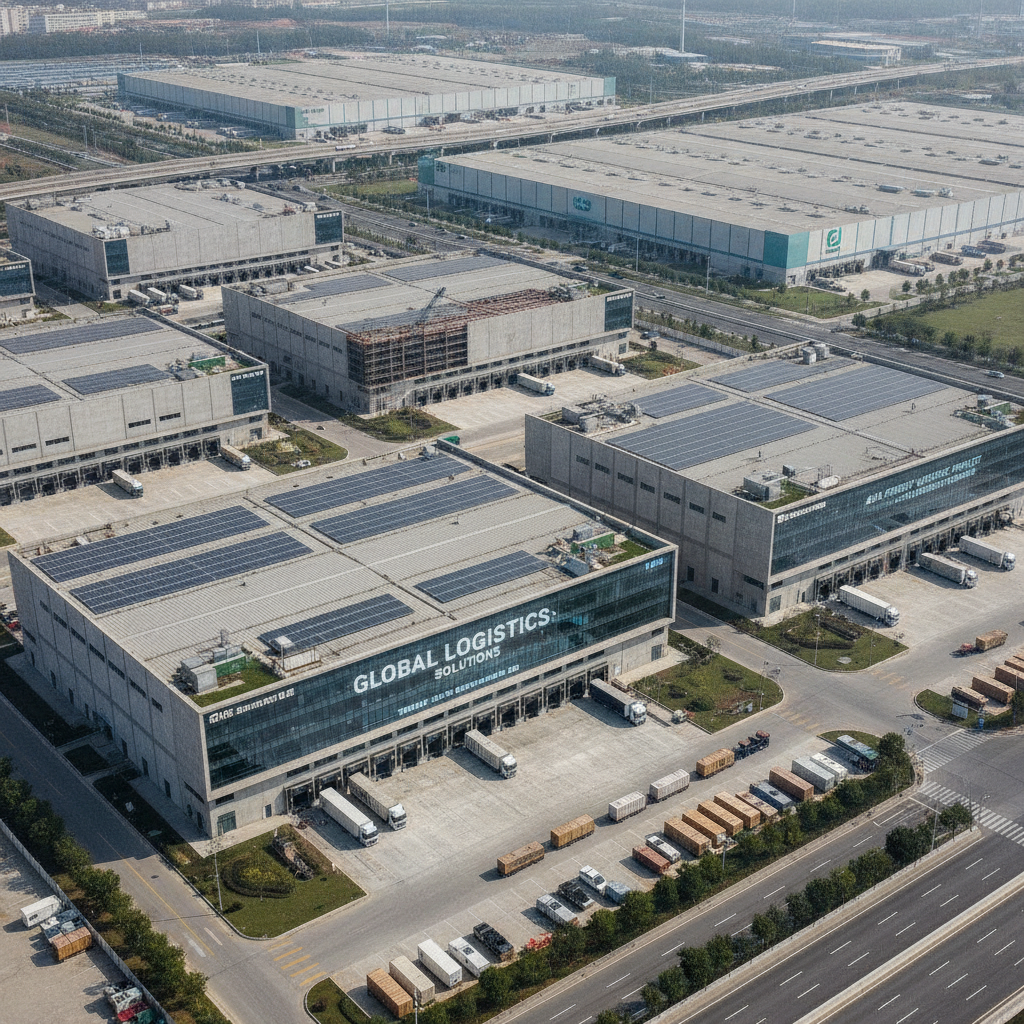
Heading into 2026, the China Grade-A warehouse expansion has transitioned into a tenant-led adjustment phase. With the total stock of premium logistics warehouse space reaching 136 million square meters by Q4 2025, landlords are facing increased competition. A surge in new supply—projected at over 8.3 million square meters in 2025—has pushed overall vacancy rates up to 18.3%, placing downward pressure on rents and creating a distinctively tenant-favorable environment across regional logistics hubs.
This abundant supply offers a golden opportunity for occupiers. Logistics experts advise companies to leverage the China Grade-A warehouse expansion to upgrade their operations through several key strategies:
- Securing longer leases at highly attractive rates in core regional logistics hubs.
- Integrating online and offline inventory to meet omnichannel retail demands.
- Deploying flexible storage solutions tailored for cross-border e-commerce growth.
By capitalizing on these opportunities, traditional retailers are actively restructuring their supply chains to achieve real-time visibility.
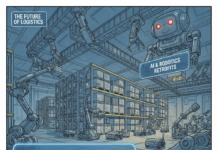
Moving deeper into 2026, the strategic focus of the China Grade-A warehouse expansion is shifting from sheer scale to operational excellence and sustainability. Logistics operators are increasingly adopting artificial intelligence, automated sorting, and smart robotics to combat labor shortages and optimize space utilization. While the market faces near-term oversupply challenges, the long-term fundamentals remain robust, heavily supported by China’s continuous infrastructure investments and its entrenched position as a vital global trade hub.
References
- China Warehousing Market Size, Growth and Outlook 2034, The Report Cube
- Greater China Logistics Market Q4 2025, Cushman & Wakefield
- Global Logistics Industry in 2025, Globalia
- Independent Market Research Report, Mapletree Logistics Trust