
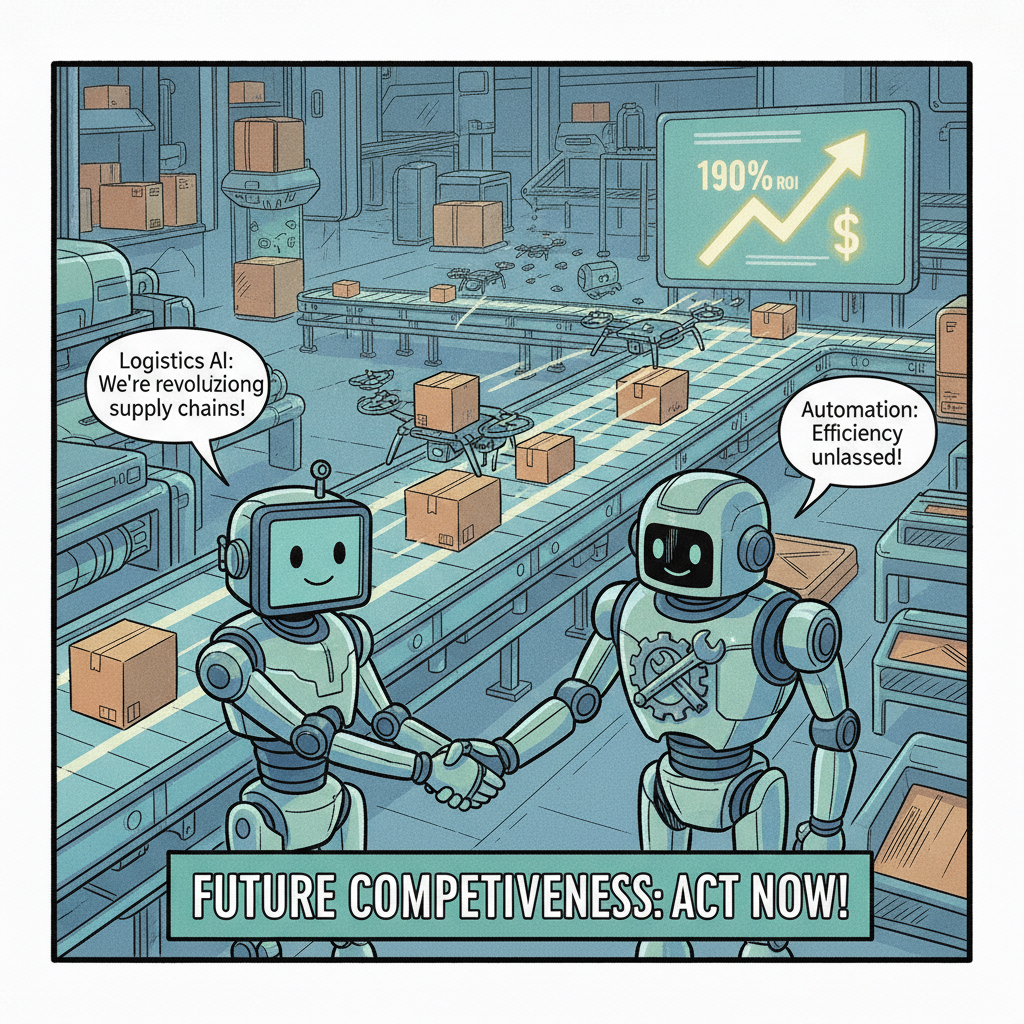
The global shipping sector is undergoing a massive transformation, driven by an urgent need for resilience. At the heart of this shift is Logistics AI and automation, a market that reached $26.33 billion in 2025 and is projected to grow at a 47% CAGR through 2030. While only 35% of logistics firms have fully deployed artificial intelligence, early adopters are reaping massive rewards with an average return on investment of 190%.
Supply chain leaders are no longer using technology just to react to disruptions; they are using it to predict them. Through intelligent software, companies are shifting from reactive operations to proactive risk mitigation.
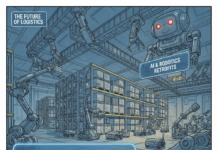
- Automated Warehousing: Automated Guided Vehicles and robotic picking systems operate continuously, reducing human error and accelerating fulfillment.
- Predictive Analytics: AI algorithms analyze port congestion and weather data to forecast disruptions before they occur.
- Risk Management: Approximately 60% of companies now use artificial intelligence specifically for proactive risk mitigation.
Despite generating massive data volumes, logistics has historically lagged behind retail in tech adoption. However, the landscape is shifting rapidly. The integration of Logistics AI and automation is no longer an operational luxury; it is a fundamental requirement. As global trade complexities grow, embracing these systems is crucial to reduce costs and meet customer demand for fast delivery.
References
Logistics Tech Trends for 2026, SEL.
Resilient supply chains, Kuehne+Nagel.
AI In Logistics Market Report 2026, TBRC.
AI in Logistics & Supply Chain, The Thinking Company.