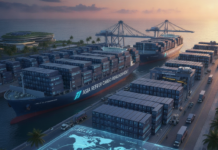


While global port congestion averages have shown broad improvements in mid-2026, these high-level metrics conceal severe localized bottlenecks that disrupt international supply chains. Recent data indicates the global congestion composite dropped to a record low of 27.4 in May 2026. However, this statistical easing contrasts sharply with extreme regional volatility. For instance, delays at the port of Guangzhou surged to an unprecedented 578 hours in early May. Furthermore, major Asian export hubs like Shanghai and Ningbo have experienced berth delays ranging from two to seven days, driven by dense fog, vessel bunching, and heavy seasonal demand.
The shipping industry is currently battling a severe cascade effect, where global port congestion at origin terminals magnifies disruptions at destination ports. When capacity issues and weather events delay departures in East Asia, vessels subsequently miss their planned berth windows at Northern European gateways like Rotterdam and Antwerp, forcing them to wait offshore and creating simultaneous congestion across multiple trade lanes. Compounding these operational hurdles are persistent geopolitical tensions. Prolonged rerouting around the Cape of Good Hope, combined with disruptions near the Strait of Hormuz, has tied up approximately 10% of the active global containership fleet. As a result, global port congestion remains a permanent feature of the operating baseline.
To navigate this volatility, logistics professionals must adopt agile, resilience-focused operations. Key mitigation strategies include:
- Deploying advanced supply chain visibility and AI tools to monitor real-time vessel dwell times.
- Establishing flexible origin routing, particularly leveraging alternative gateway ports when major hubs face congestion.
- Increasing lead-time buffers and securing early bookings to counteract unpredictable transit schedules.
References: Tradlinx Port Congestion Index: Global Snapshot, May 2026 (tradlinx.com). Tradlinx Port Congestion Index: Global Snapshot, April-May 2026. Port congestion spreads as delays ripple through global supply chains, June 2026. Linerlytica Market Pulse 2026. 2026 State of Logistics Report, FreightWaves.