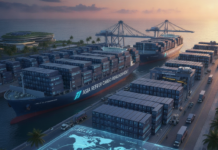


The Rise of Predictive Freight Rate Modeling
In the highly volatile landscape of global logistics, Predictive Freight Rate Modeling has emerged as a crucial strategic asset for shippers and forwarders. By leveraging machine learning algorithms, particularly Long Short-Term Memory (LSTM) networks and gradient boosting, this technology significantly outperforms traditional econometric models. A comprehensive 2025 maritime economics review confirmed that AI-driven rate forecasts are fundamentally changing how capacity is planned and priced across the supply chain.
Core Drivers of Predictive Freight Rate Modeling
The transition from static historical averages to dynamic forecasting hinges on real-time data integration. Predictive Freight Rate Modeling synthesizes diverse datasets, including automatic identification system (AIS) vessel tracking, port congestion metrics, and seasonal demand fluctuations. This holistic approach allows logistics professionals to proactively adjust procurement strategies. Key industry benchmarks include:
- Up to 15% higher asset utilization by minimizing empty miles and optimizing load matching.
- Reduction of manual interventions in the freight booking process by up to 65%.
- Improved margin management through dynamic pricing models that react instantly to capacity shifts.
Future Outlook for Predictive Freight Rate Modeling
As we navigate 2026, enterprise-grade logistics platforms are embedding Predictive Freight Rate Modeling directly into their core operations. Recent commercial launches of AI-powered pricing prediction tools have proven that the industry is rapidly shifting toward automated freight procurement. For shipping experts, adopting these intelligent machine learning models is no longer optional; it is a vital prerequisite for maintaining competitiveness, reducing decision cycle times, and effectively managing transportation budgets in an increasingly complex global market.