
Will AI and E-Commerce Demands Reshape Air Freight Fulfillment?
Global air cargo demand is undergoing a massive transformation in 2026, forcing logistics experts to adapt their supply chain strategies. As cross-border trade accelerates, the global air cargo and freight logistics market is projected to reach a staggering $96.57 billion in 2026, expanding at a 12.5% CAGR. This rapid growth in Air Freight Fulfillment is largely driven by surges in high-value shipments, requiring unprecedented speed and capacity management from global carriers.
Key Volume Drivers for Air Freight Fulfillment
Several critical factors are currently dictating the pace and direction of global cargo networks:
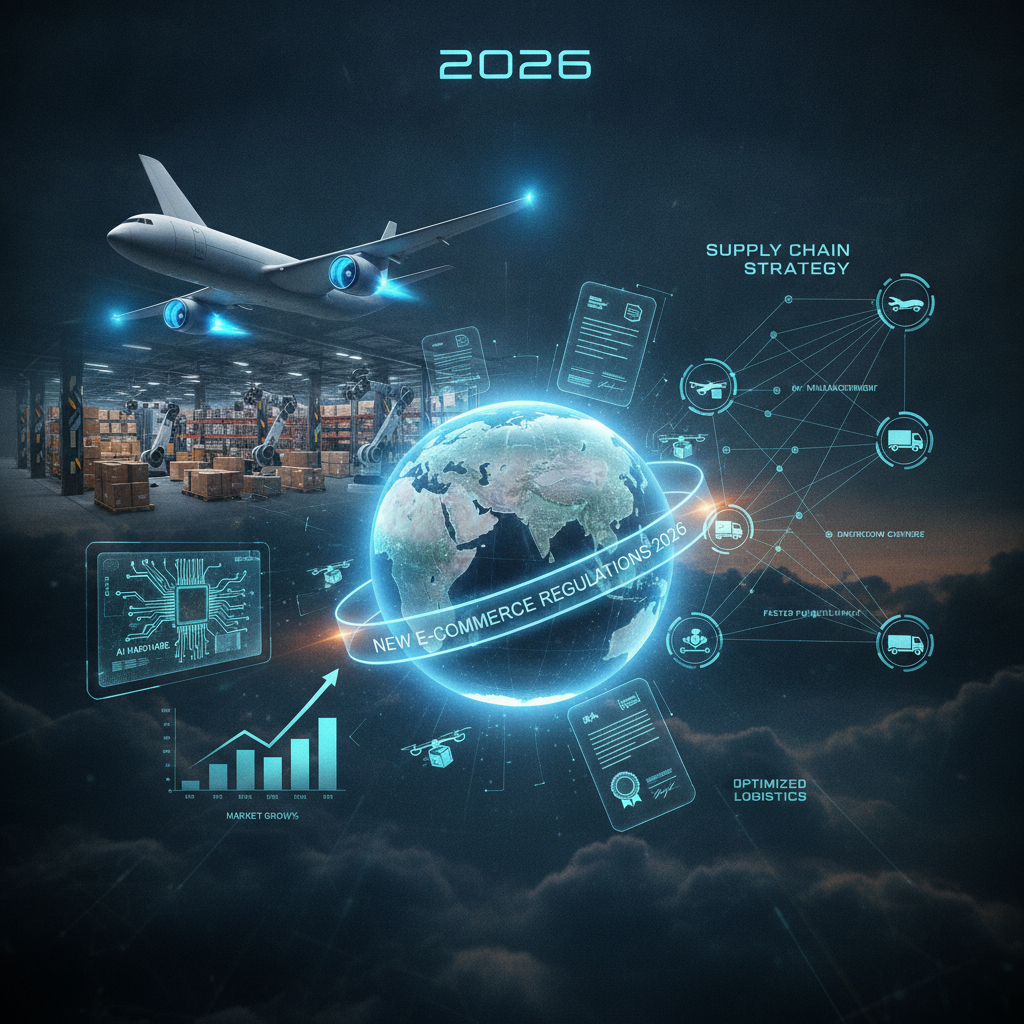
- AI and Hardware Boom: Artificial intelligence-related cargo now represents approximately 10% of global air freight volumes, heavily concentrated on Transpacific routes.
- APAC Market Dominance: The Asia-Pacific region continues to lead the new trade map, capturing around 40% of the total international freight volume.
- Regulatory Shifts: The July 2026 removal of the European Union’s €150 duty-free threshold is heavily restructuring e-commerce parcel flows and international fulfillment routing.
Navigating the Air Freight Fulfillment Squeeze
Despite geopolitical volatility, the International Air Transport Association (IATA) projects overall air cargo traffic to grow by 2.6% throughout 2026. However, persistent supply-side constraints and rising jet fuel costs mean that operational efficiency is paramount. To secure competitive advantages, shippers must integrate advanced digital inventory management and sustainable aviation solutions into their core Air Freight Fulfillment frameworks.