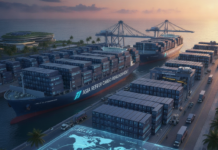


The global chip boom, heavily driven by artificial intelligence and electric vehicles, is fundamentally reshaping East Asian Semiconductor Freight Logistics. With global semiconductor sales projected to hit $820 billion in 2026, the logistics networks across Taiwan, South Korea, and Japan are experiencing unprecedented demand. As supply chains become highly specialized, experts are pivoting from traditional e-commerce freight to prioritizing high-value AI hardware.
East Asian Semiconductor Freight Logistics Trends
The rapid expansion of AI data centers has created a structural convergence in the freight market. Air cargo rates from Northeast Asia to North America spiked by 41% in mid-2026, driven by intense semiconductor demand. Logistics providers are adapting their networks to accommodate these time-sensitive components.
- Air Freight Dominance: High value density and strict delivery deadlines make air cargo the only viable option for advanced chips.
- Temperature Control: Over 61% of semiconductor manufacturers now mandate temperature-controlled logistics for sensitive materials.
- Capacity Constraints: The surge in AI chip shipments has displaced general cargo, extending booking lead times across Asian hubs.
Securing East Asian Semiconductor Freight Logistics
Geopolitical tensions and shifting trade regulations are forcing logistics managers to rethink international trade strategies. The semiconductor logistics market is forecast to grow at a 9.12% CAGR, reaching $133.87 billion by 2031. Mitigating risks requires advanced tracking, with 71% of logistics companies implementing AI-enabled shipment monitoring in 2026.
To maintain resilience, freight forwarders must utilize specialized cleanroom-compatible infrastructure and agile routing to bypass bottlenecks. As the industry evolves, mastering these logistics complexities will be crucial for global supply chain stability.