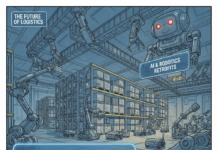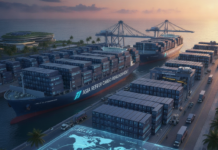
The global maritime industry is undergoing a radical transformation as smart shipping technology reshapes fleet operations and port logistics. In 2026, artificial intelligence, the Internet of Things (IoT), and advanced sensor fusion are no longer experimental concepts but operational necessities. Industry leaders are leveraging these tools to combat supply chain volatility and aggressive decarbonization mandates.
Recent market dynamics show a strategic push toward maritime supply chain optimization, driven by ruggedized onboard computing and high-fidelity sensors. According to 2025-2026 market growth analysis, the integration of AI-assisted navigation platforms has demonstrated the ability to reduce close-quarter incidents by over 40% during trials. Furthermore, smart shipping technology is proving vital for environmental compliance and terminal throughput.
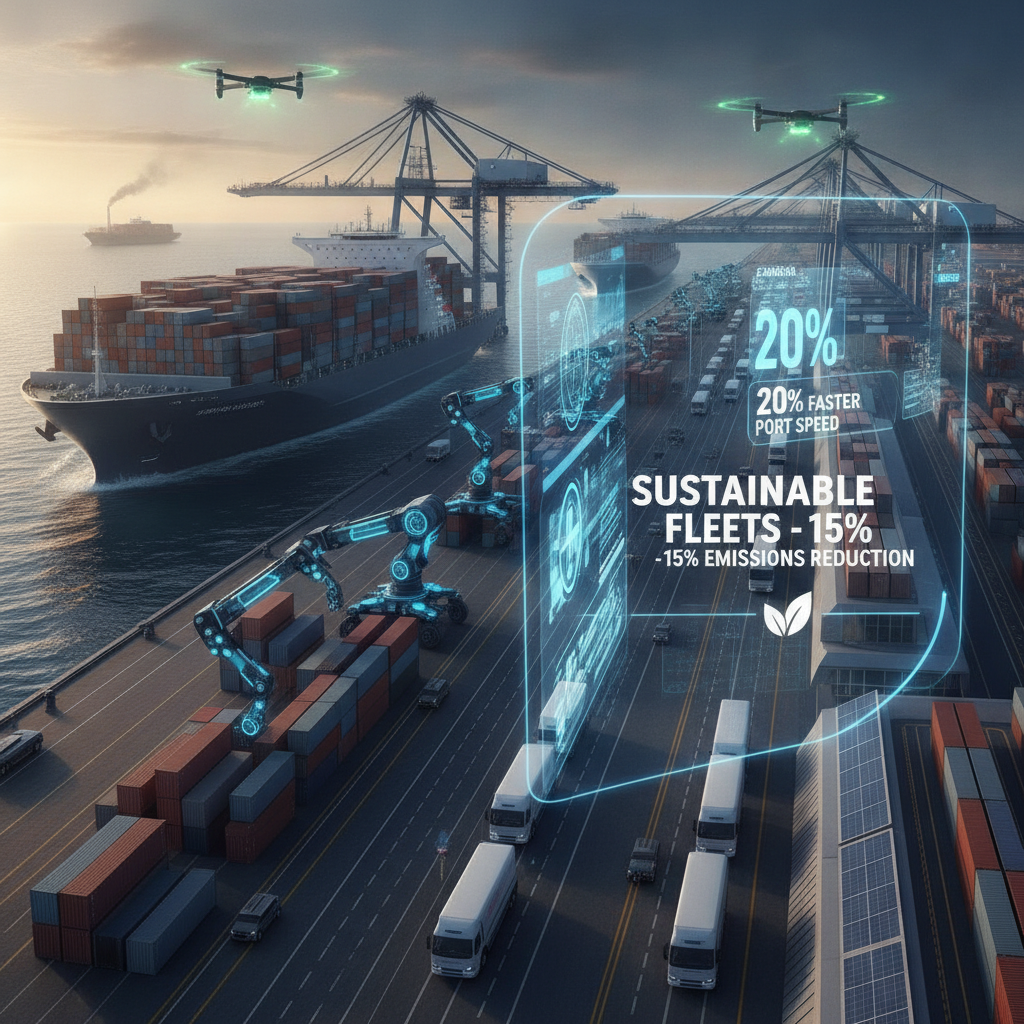
- AI-based fuel optimization systems enable fuel savings that contribute to an emissions reduction of up to 15%.
- Advanced data analytics in port management have allowed some automated ports to achieve a 20% increase in container handling speed.
- Remote vessel operations utilizing LiDAR object detection are enhancing situational awareness across global fleets.
As the Fourth Industrial Revolution matures in the maritime sector, the focus is shifting toward zero-carbon coastal highways and fully autonomous docking systems. Logistics experts must prioritize smart shipping investments to maintain a competitive edge. Embracing these interconnected systems ensures resilience, sustainability, and long-term profitability in an increasingly complex global market.
References
Maritime AI Market Growth Analysis – Size and Forecast 2025-2029 | Technavio