
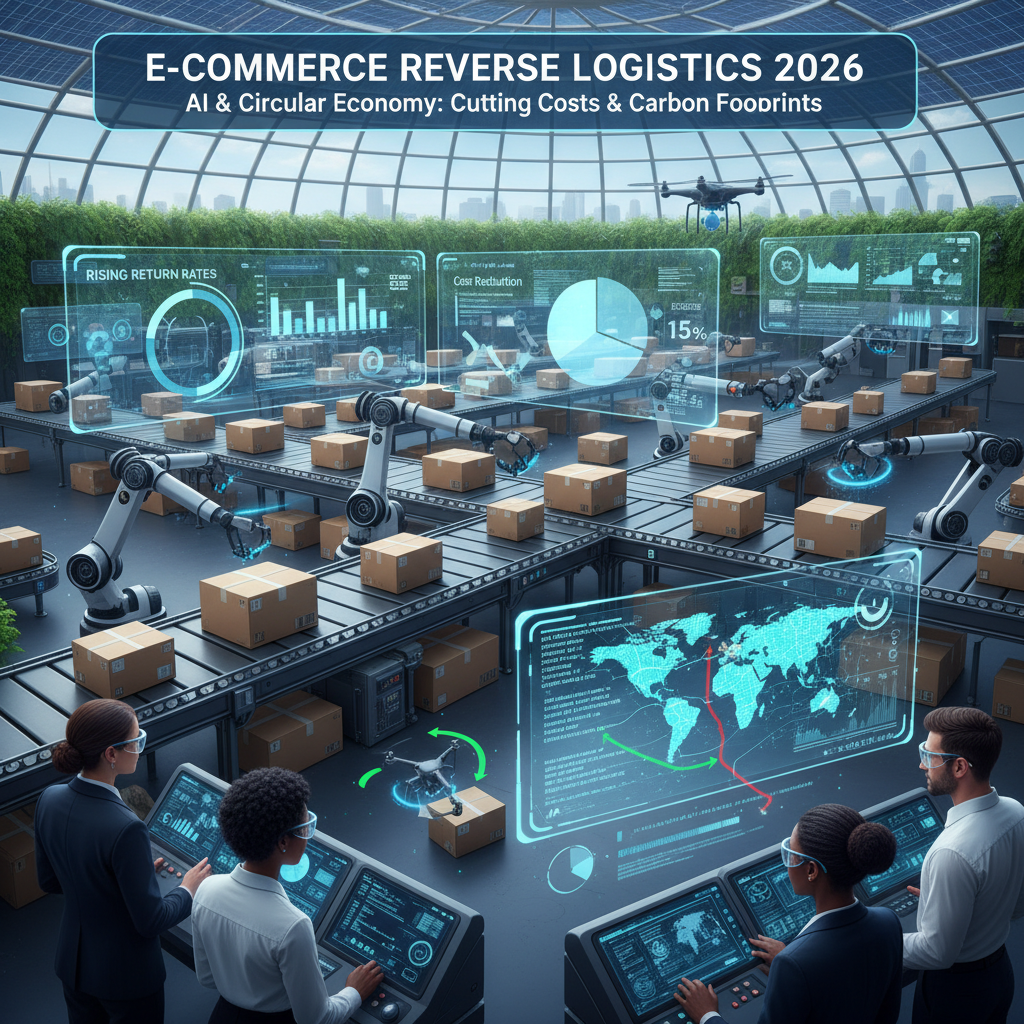
As return volumes escalate, E-Commerce Reverse Logistics has transformed from a back-end burden into a primary driver of profitability. In 2025 and 2026, logistics experts face an urgent mandate to optimize return processes amid soaring customer expectations and strict environmental standards.
According to the National Retail Federation’s 2025 data, e-commerce return rates average 19.3%. Apparel categories frequently exceed 30%. This creates a nearly $850 billion annual challenge for U.S. retailers. Because each return costs merchants an average of €15 to €20 in processing, repackaging, and depreciation, operators must rapidly re-engineer the reverse supply chain.
To combat these costs, 3PL providers and carriers are aggressively deploying AI and sustainable frameworks. For example, FedEx recently launched Easy Returns, a box-free, label-free drop-off solution designed to streamline the consumer experience while minimizing packaging waste. Today’s top strategies include:
- AI-Powered Triage: Automated systems rapidly detect product defects and predict localized return volumes, cutting processing costs by up to 35%.
- Circular Economy Logistics: Brands are adopting reusable packaging and consolidated freight routing to lower carbon emissions and avoid landfill waste.
- Frictionless Drop-offs: Concierge at-home return pickups consolidate local logistics flows and boost brand loyalty.
Mastering E-Commerce Reverse Logistics now requires balancing environmental consciousness with data-driven asset recovery.
References
IMARC Group: Reverse Logistics Market Size 2034
Shippingbo: E-commerce returns 2025
FreightAmigo: Reverse Logistics
NRF: 2025 Retail Returns Landscape
Richpanel: Ecommerce Return Rates in 2026