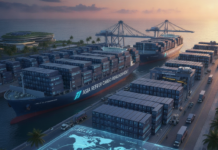


The global logistics landscape is undergoing a massive transformation, with Asian Multimodal Routing emerging as the cornerstone of regional supply chain resilience. As companies pivot toward diversification strategies and regionalized production in 2025 and 2026, relying on single-mode freight is no longer viable. Recent market analyses value the Asia Pacific multimodal transport market at USD 40.69 billion in 2025, projected to reach USD 66.19 billion by 2032 at a 7.2% CAGR.
Several critical factors are accelerating the adoption of unified transportation corridors across the ASEAN region and beyond. Shippers are increasingly demanding single-contract solutions that provide end-to-end visibility and cost stability.
- Infrastructure Expansion: Investments in the ASEAN Corridor and new regional rail-sea links are drastically shortening lead times.
- Digital Integration: AI-assisted routing, IoT cargo tracking, and automated customs documentation are reducing overall transit variability.
- E-commerce Growth: The booming demand for just-in-time manufacturing requires seamless processing and agile re-routing options.
Looking ahead through 2026, the success of Asian Multimodal Routing relies heavily on treating logistics as a digitally integrated ecosystem. Leading logistics providers are expanding their regional footprints to offer coordinated multi-leg freight movements that ensure product integrity. For global shipping experts, adopting these integrated network strategies is now a competitive necessity.
References
CF Global: Lessons from Asia’s Multimodal Hubs (cfglobal.com)
MarketsandMarkets: Asia Pacific Multimodal Transport Market (marketsandmarkets.com)
Halcon Primo Logistics: ASEAN Corridor Freight Solutions (halconprimo.com)
P&S Intelligence: Multimodal Transport Market Size 2032 (psmarketresearch.com)