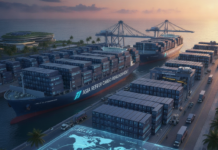
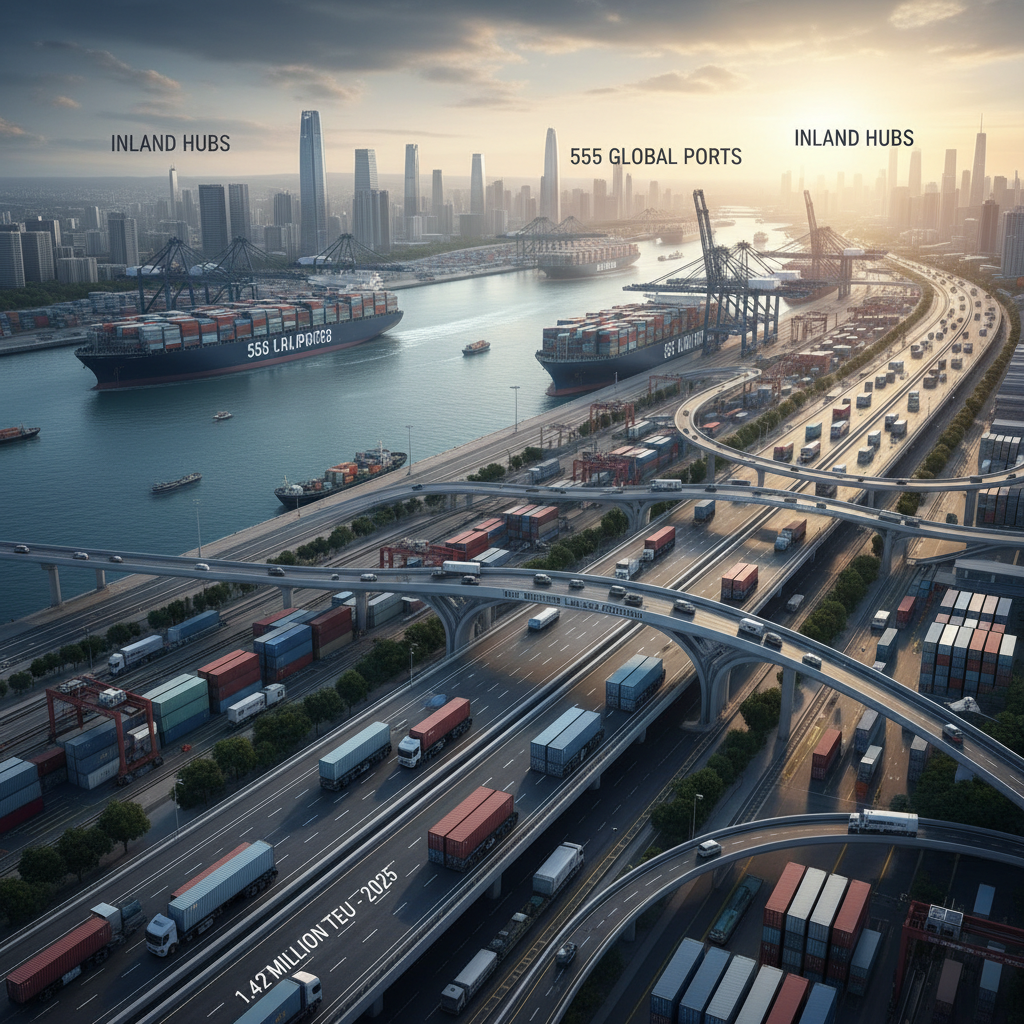
The global shipping industry is experiencing a seismic shift in supply chain mapping, driven heavily by the rapid expansion of the New Western Land-Sea Corridor. As maritime bottlenecks persist, this multimodal logistics artery linking inland Chinese manufacturing hubs to ASEAN countries has proven indispensable for operators seeking reliable transit. By bridging regional consolidation hubs like Chongqing with coastal gateways, the corridor acts as a vital polycentric network for mitigating long-haul rail risks.
Recent operational data underscores the corridor’s staggering growth trajectory. In 2025, the New Western Land-Sea Corridor recorded its highest-ever rail-sea freight volume, processing over 1.42 million TEUs—a massive 47.6% year-over-year increase. The integrated rail-sea routes have expanded significantly, now facilitating seamless cargo flows to 555 ports across 127 countries. Furthermore, substantial capital injections, such as a recent 70-billion-yuan regional collaboration initiative, are modernizing logistics nodes and expediting the transit of high-value goods like new energy vehicles to global markets.
Industry experts emphasize that integrating intelligent port infrastructure and optimized rail-sea connectivity minimizes systemic fragility within global supply chains. According to contemporary logistics reports, the New Western Land-Sea Corridor is not merely an alternative path; it is a foundational component for strategic fleet diversification and cross-border resilience in 2026. This dynamic routing reduces transit times significantly compared to traditional river-to-sea methods, solidifying its status as a premier multimodal transport solution.
References
- China Briefing: China’s New Land-Sea Trade Corridor 2025 Data
- SMM Market News: Chongqing Collaboration Projects and Logistics Investment