
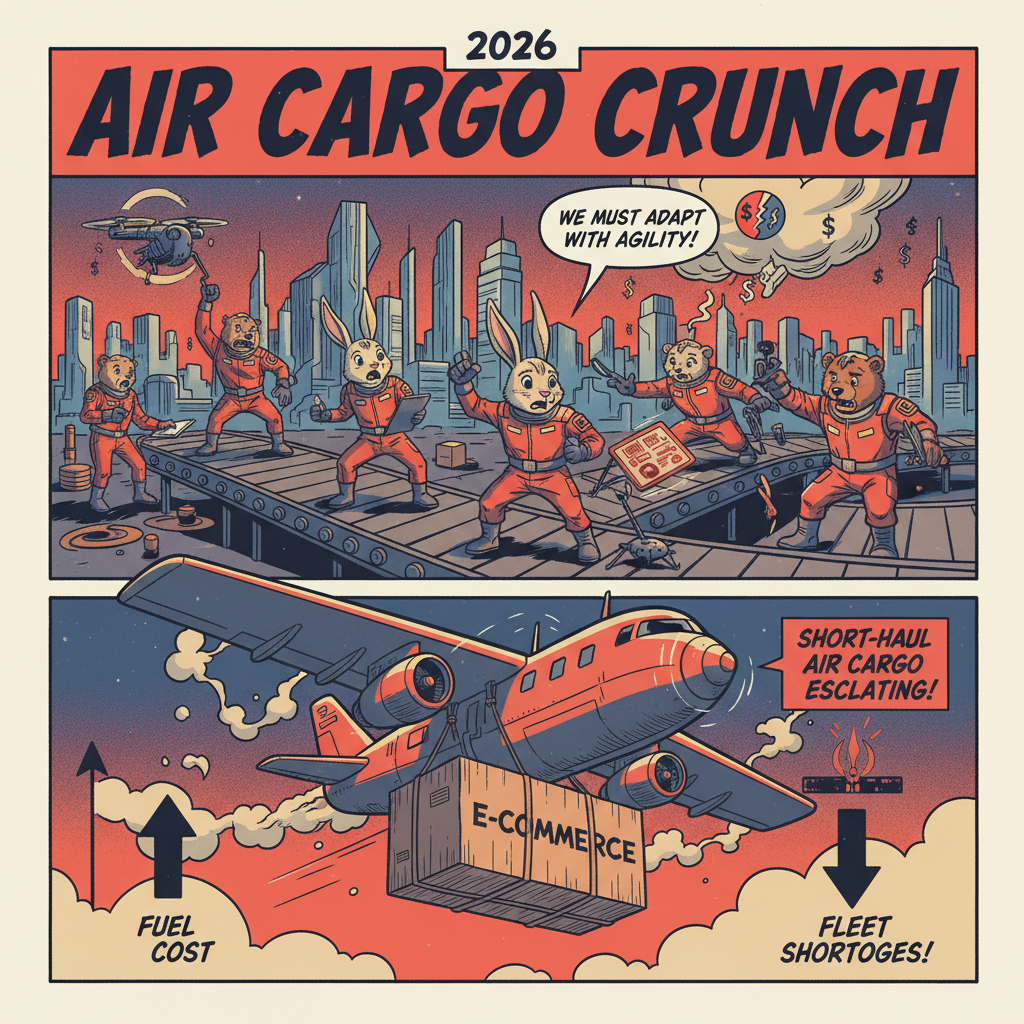
The global logistics sector is currently grappling with intensified Short-Haul Air Cargo Pressures, driven by a volatile mix of surging fuel costs, geopolitical instability, and persistent aircraft shortages. As of early 2026, average global air freight rates climbed to a record $2.98 per kilogram. This price surge is primarily fueled by the recent closure of the Strait of Hormuz, which more than doubled jet fuel prices and severely constrained regional operations. Consequently, airlines are frequently relying on older, less fuel-efficient fleets due to a staggering 17,000-aircraft production backlog from major manufacturers.
Beyond fuel price volatility, regional capacity is being severely tested by structural shifts in global trade. Key drivers exacerbating the situation include:
- E-commerce Demand: The relentless growth of Asian e-commerce platforms continues to absorb available belly capacity on regional routes.
- Regulatory Headwinds: The removal of the de minimis customs exemptions in the United States has prompted shippers to reallocate cargo flows to more stable regional hubs.
- Supply Chain Bottlenecks: Delays in aircraft deliveries are projected to cost the airline industry an excess of $11 billion in fuel, maintenance, and leasing expenses.
As short-haul cargo networks navigate these intersecting crises, carriers are forcibly trimming schedules and prioritizing high-yield long-haul routes over intra-regional connections. For freight forwarders and logistics planners, surviving these Short-Haul Air Cargo Pressures requires unparalleled agility, proactive route diversification, and stronger integrations with sustainable aviation initiatives. The coming months will critically test the resilience of regional supply chains against macroeconomic turbulence.
References
ExFreight: Air Freight Capacity Constraints from Asia in 2025.
Navigating Air Cargo Challenges in 2025: Strategies for Capacity and Cost.
Dimerco: Why Air Cargo Beat the Forecasts in 2025.
The Business Times: Hormuz makes Asean sustainable aviation fuel push urgent.
Oliver Wyman: Supply Chain Challenges Could Cost Airlines Over $11 Billion.
IATA: Reviving the Commercial Aircraft Supply Chain.
Air cargo rates hit 2026 high as fuel costs overtake capacity pressures.