
The Rising Tide of Global Last-Mile Delivery Cost Inflation
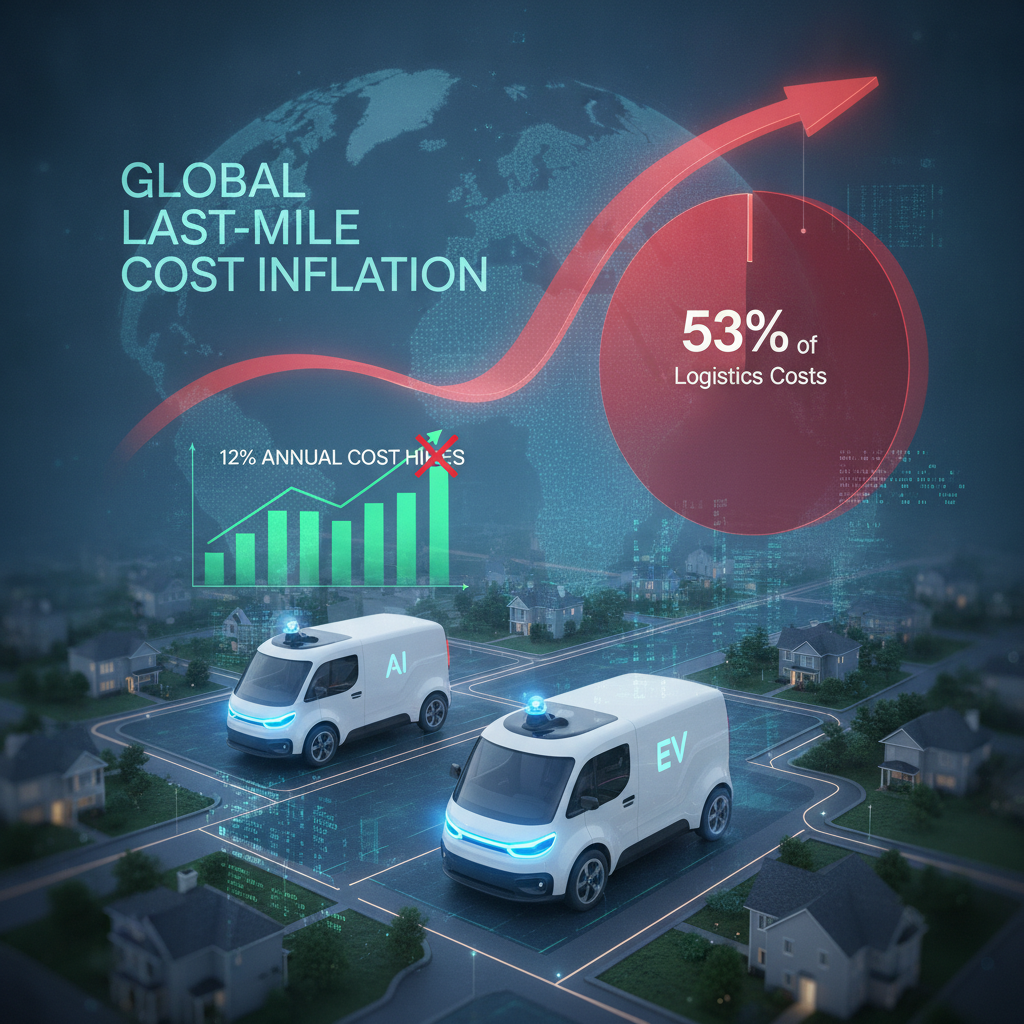
In 2026, Global Last-Mile Delivery Cost Inflation continues to pressure the logistics sector, fundamentally reshaping supply chain economics. Currently, the final leg of delivery consumes up to 53% of total shipping expenses. Data indicates that US delivery costs alone surged by an average of 12% from 2024 to 2025, driven heavily by wage inflation, persistent driver shortages, and volatile fuel prices. For logistics professionals, addressing these cost drivers is no longer optional but critical for survival.
Key Drivers Behind the Cost Inflation
Several intersecting factors are amplifying cost pressures across global supply chain networks:
- Cost of Failure: A single failed delivery now costs retailers an average of $17.78, severely impacting profit margins.
- Labor and Fuel: A shortfall of 3.6 million driver roles globally, coupled with fuel expenses comprising 10-25% of operational costs, keeps baseline delivery rates high.
- Shrinking Windows: Consumer demand for same-day delivery, now expected by 66% of shoppers, forces carriers into less efficient, highly expedited routing.
Strategic Mitigation of Global Last-Mile Delivery Cost Inflation
To combat this economic strain, industry leaders are aggressively deploying artificial intelligence and predictive dynamic orchestration. Advanced route optimization software is currently yielding 15-30% reductions in last-mile costs and significant drops in fuel consumption. Additionally, fleets are accelerating electric vehicle (EV) deployments to stabilize long-term operating costs and mitigate fuel volatility. Ultimately, leveraging technology remains the primary strategy to offset the relentless upward trajectory of operational expenses.