
Why Omnichannel Fulfillment Operations Drive 2026 Retail Success
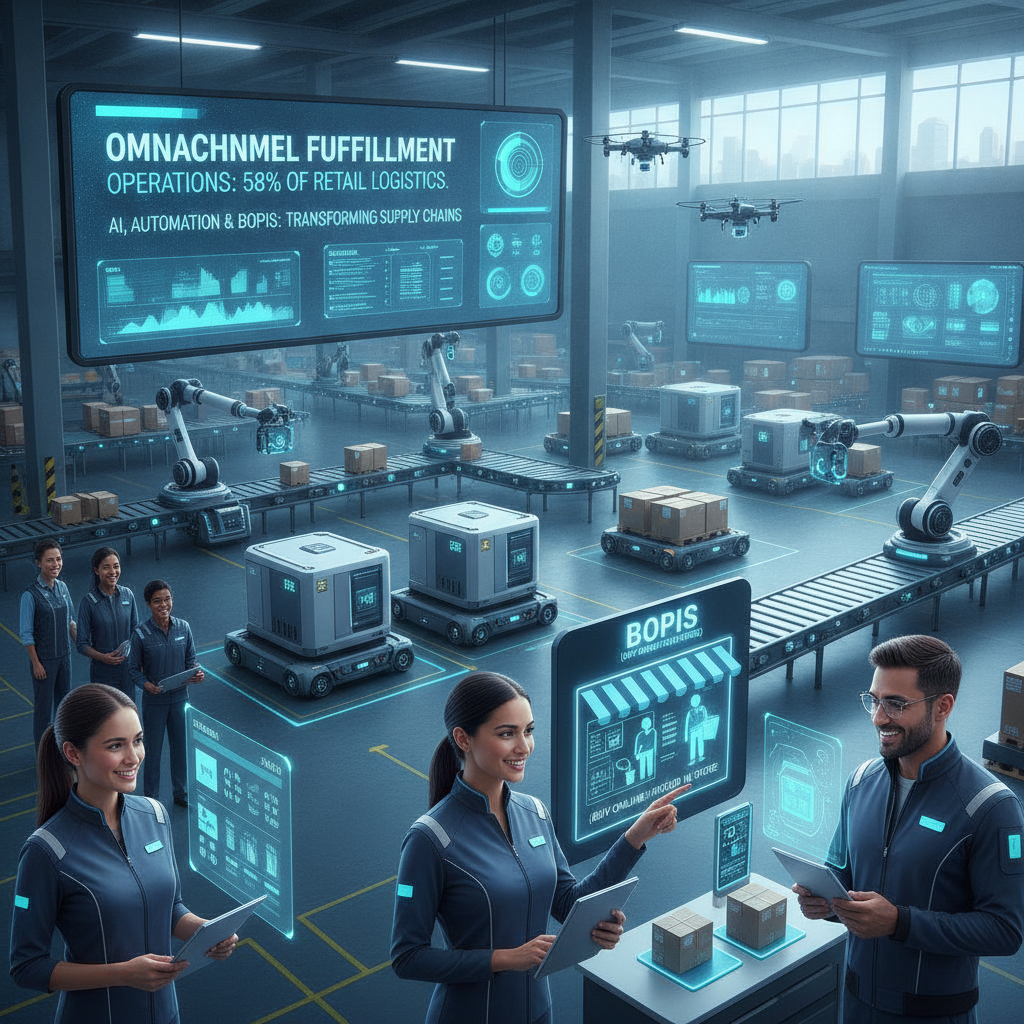
The landscape of modern retail logistics has fundamentally shifted. In 2026, robust Omnichannel Fulfillment Operations have transitioned from an optional advantage to a critical necessity for survival. Recent industry data reveals that these dynamic fulfillment models now contribute to a staggering 58% of all retail logistics activities. As consumer expectations for rapid, flexible delivery continue to soar, supply chain experts are forced to adapt or face obsolescence.
The ROI of Omnichannel Fulfillment Operations
Implementing a unified logistics approach yields undeniable financial benefits. According to Deloitte’s 2025 retail outlook, omnichannel shoppers consistently spend 1.5 times more each month compared to their single-channel counterparts. Furthermore, retailers successfully adopting these strategies retain up to 89% of their customers, starkly contrasting the 33% retention rate of single-channel businesses. To capture this revenue, companies are heavily investing in technology.
- Curbside pickup sales alone reached an estimated $154 billion in 2025.
- Approximately 63% of retailers now rely on third-party logistics (3PL) providers to support complex inventory distribution.
- Warehouse automation is currently deployed in 39% of retail distribution facilities to accelerate processing speeds.
Future-Proofing Omnichannel Fulfillment Operations
To master modern Omnichannel Fulfillment Operations, brands are deploying advanced warehouse simulation software and AI-powered order management systems. By creating digital twins of their distribution centers, 30% of the warehouse simulation market is now dominated by the retail and e-commerce sector. Overcoming the primary challenge of inventory visibility requires shared data pools that synchronize physical stores, third-party logistics, and dropshipping partners in real-time. Ultimately, the retailers who seamlessly blend in-store pickup, ship-from-store, and direct-to-consumer delivery will dominate the future of commerce.