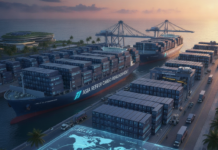
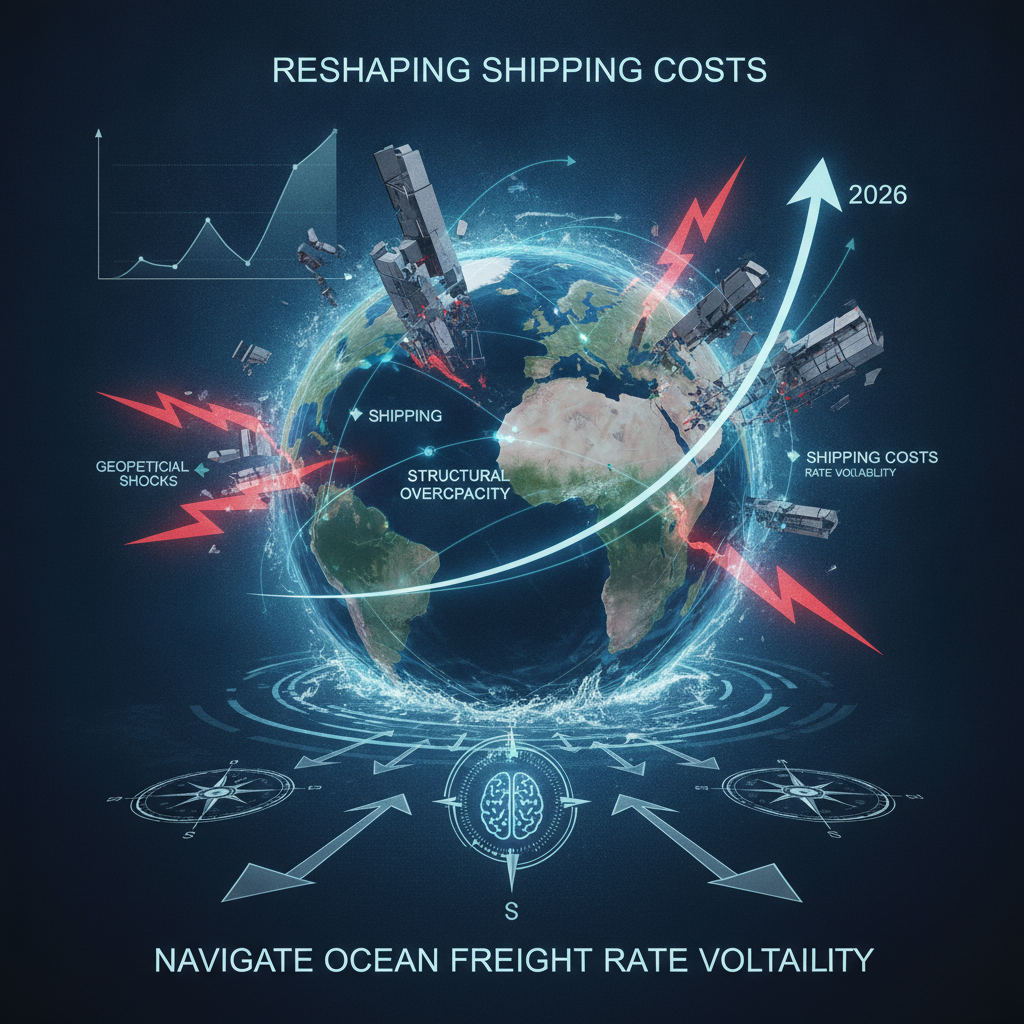
The era of predictable shipping cycles has officially been replaced by a new baseline of Ocean Freight Rate Volatility in 2026. While the global market is grappling with structural overcapacity due to the delivery of over 800 new container ships—representing 7 million additional TEUs ordered between 2020 and 2023—geopolitical shocks continue to trigger dramatic pricing swings. Escalating Middle East conflicts and disruptions around the Strait of Hormuz have heavily impacted route stability and insurance premiums. Consequently, spot rates from Asia to the U.S. West Coast surged 120% between mid-May and July 2026.
To combat the downward pricing pressure of vessel oversupply, carriers are aggressively executing blank sailings. Recent data highlights a 39% increase in Trans-Pacific Eastbound (TPEB) blank sailings compared to historical 2022 levels, intentionally tightening cargo space. This disciplined capacity management guarantees that Ocean Freight Rate Volatility remains a persistent operational threat, transforming a theoretical buyer’s market into a highly reactive pricing environment.
Mastering Ocean Freight Rate Volatility today requires logistics professionals to abandon outdated static spreadsheets. Industry experts strongly recommend adopting predictive AI modeling, index-linked contracts, and real-time visibility platforms to secure stable budgets. Although the market anticipates potential relief from a mid-2026 U.S.-Iran peace deal targeting the Strait of Hormuz, analysts caution that fully normalizing global vessel transits could take up to six months. Forwarders must maintain diversified routing strategies to protect supply chain margins.
References
Sources: FreightAmigo (2025/2026 Reports), Parcel International (2026), Drewry World Container Index, Freightos Research, and DHL Global Forwarding Market Outlook 2026.