

For logistics and shipping executives, tracking geographical shifts in production is critical. In 2026, China Advanced Manufacturing Hubs are no longer confined strictly to megacities like Shenzhen or Shanghai. Production is rapidly decentralizing into specialized tier-3 and tier-4 cities, creating highly optimized new export networks.
This geographic dispersion introduces both challenges and opportunities for global freight forwarders. Specialized clusters are achieving unprecedented vertical integration, drastically reducing raw material transit times and accelerating final product shipping cycles. Key logistical developments in 2026 include:
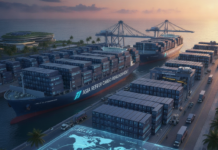
- Specialized Port Synergies: Cities like Ningde, a booming battery hub generating $24.5 billion in output value in 2026, are integrating zero-carbon shipping and smart port solutions to streamline global exports.
- Shortened Lead Times: Proximity to advanced materials and specialized components in these regional hubs can reduce product lead times by up to 40 percent compared to fragmented supply chains.
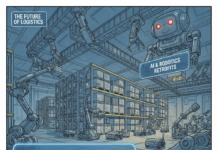
- Algorithmic Logistics: The latest China Advanced Manufacturing Hubs utilize AI-controlled robotic lines that adjust output based on real-time market signals, requiring logistics partners to adopt predictive shipping models.
Artificial intelligence now operates as the backbone of these evolving supply chains. By 2026, automated production lines adjust in real-time, giving companies the ability to scale output without proportional labor increases. Shipping experts must pivot toward digital integration to keep pace with these highly automated production centers. Integrating smart port platforms is non-negotiable for carriers managing exports from these regions.
References
Ningde Battery Hub: CATL, Energy Storage, and China’s New Energy Supply Chain (2026). AI Supply Chains: How Automation, Data, And Geopolitics Are Rewriting Global Trade (2026). ELDI Home: Manufacturing and Logistics Data (2026). Tech Buzz China: China Advanced Manufacturing Hubs Atlas (2026). AI Supply Chains: Rewriting Global Trade (2026).