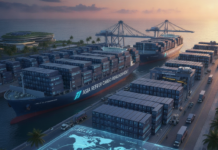
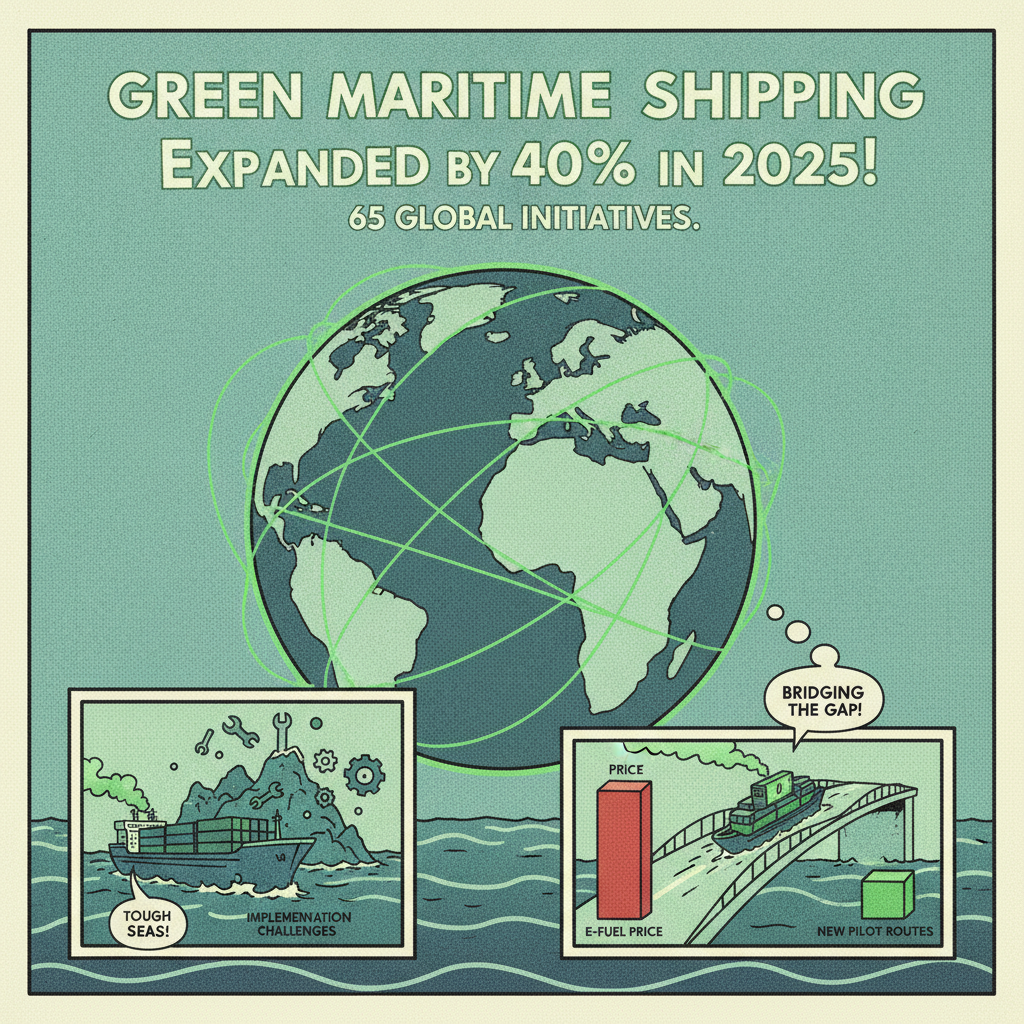
As the logistics sector races toward rapid decarbonization, Green Maritime Shipping Corridors have emerged as critical testbeds for zero-emission marine technologies. By early 2025, the number of announced global initiatives reached 65, reflecting a 40% expansion driven by collaborative public-private action. However, recent industry assessments indicate that many of these pioneering routes are hitting a feasibility wall, struggling to transition from initial memorandums to the active deployment of zero-emission vessels. Overcoming this hurdle requires innovative commercial strategies and robust cost-passthrough mechanisms.
Despite implementation hurdles, strategic investments in port infrastructure are accelerating globally. Emerging economies are proactively positioning their facilities to capitalize on the burgeoning e-fuel market. Recent developments across international trade routes demonstrate a notable shift toward targeted feasibility assessments.
- Latin American Routes: Chile is actively advancing three green maritime routes, prioritizing a copper transport corridor between Mejillones and Asia targeting operation by 2030.
- Asian Infrastructure: India is developing three maritime facilities as dedicated hydrogen hubs, establishing green ammonia bunkering capabilities by 2025.
- European Compliance: The implementation of the FuelEU Maritime regulation in 2025 mandates incremental carbon intensity reductions, further incentivizing regional compliance frameworks.
For maritime logistics experts, the true viability of Green Maritime Shipping Corridors hinges on bridging the price gap between conventional bunker fuels and sustainable alternatives. Industry analyses project that while e-fuels face high green premiums today, targeted subsidies and stringent emissions trading schemes could drive price parity between 2030 and 2040. Stakeholders must utilize these specific routes to pilot off-take agreements, aggregate fuel demand, and share financial risks collaboratively.
References
BNamericas: Chile mulling 3 green maritime routes. Our Shared Seas: Accelerating a Zero-Emission Transition. Ananta Aspen Centre: Working Paper. Decarbonizing Aviation and Maritime Shipping. Clean Air Task Force: Nonprofit Evaluation. Global Maritime Forum: Green corridors. Nordic pilot project for green shipping corridors. UMAS: Building a Business Case for Green Shipping Corridors.