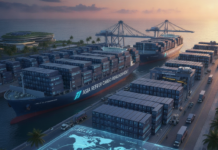

The escalation of geopolitical conflict in early 2026 has triggered unprecedented Strait of Hormuz logistics disruptions, paralyzing a critical maritime chokepoint. For shipping experts, this closure has shifted from a theoretical risk to a severe operational reality. Previously handling over 100 daily transits, vessel traffic plummeted to single digits by mid-2026. This bottleneck has stranded over 1,550 commercial vessels and 22,500 mariners in the region.
The blockade has devastated global energy and commodity supply chains. The passage historically accommodated 20 million barrels of crude oil per day and 20% of the world’s liquefied natural gas. The abrupt closure triggered a 95% collapse in outbound crude oil flows. Beyond energy, the disruption limits access to non-mineral exports, with Gulf states supplying nearly 15% of global fertilizers and chemicals.
To mitigate these ongoing Strait of Hormuz logistics disruptions, major shipping lines have suspended Gulf port calls, leading to surging freight rates. Logistics experts are executing several vital strategies:
- Rerouting vessels around the Cape of Good Hope, extending transit times significantly.
- Transitioning to alternative overland pipelines where possible.
- Frontloading cargo imports to secure inventories ahead of peak demand.
The maritime industry must treat this shock as a long-term structural shift, prioritizing real-time visibility and agile contingency planning.
References
Performance Review: Shipping Routes. Descartes: U.S. Maritime Import Volumes. Neurored: Strait of Hormuz Closure. Wikipedia: 2026 Strait of Hormuz crisis. Kiel Institute: Cost of Closing Hormuz. Data Lab: Hormuz Trade Tracker. IEA: Strait of Hormuz. FreightWaves: Ocean Rates Surge. Supply Chain Guidelines: Hormuz Closure 2026.