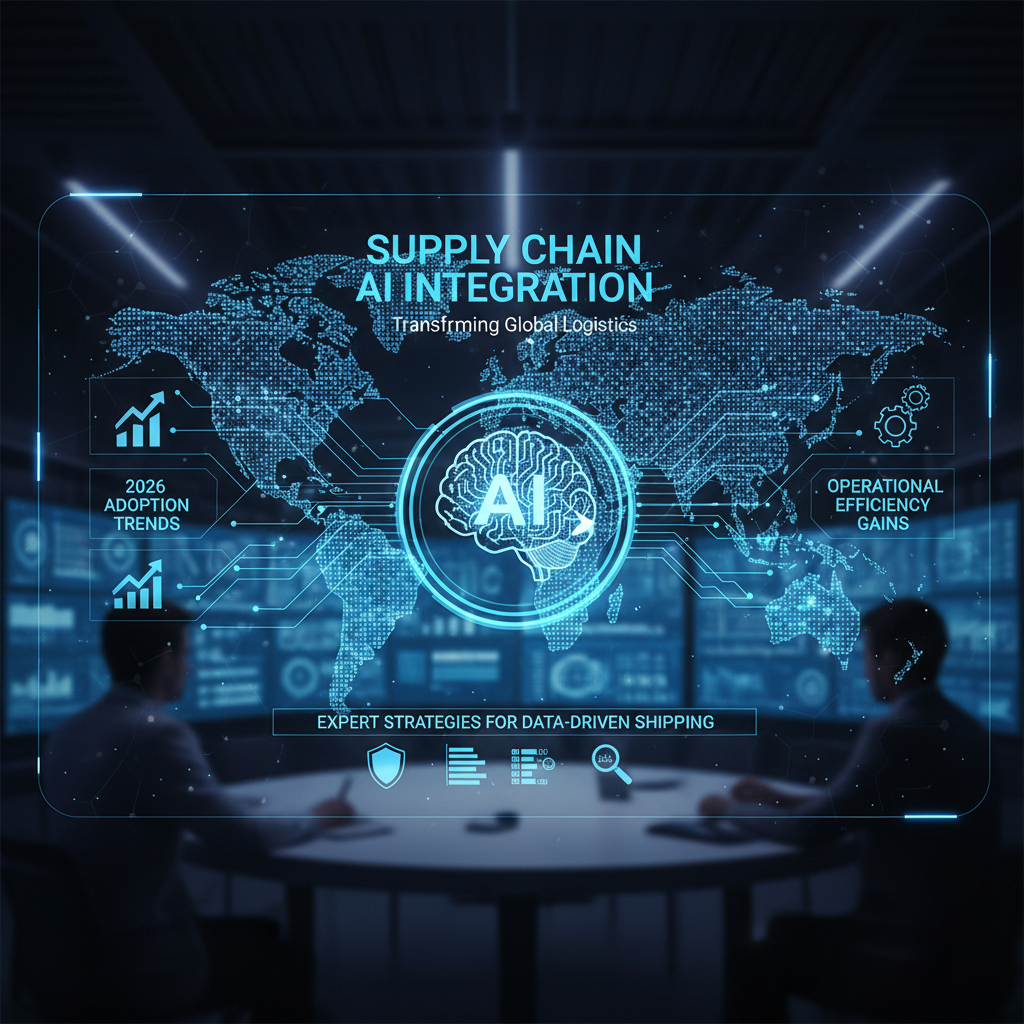
As global logistics confront fluctuating demand and unprecedented disruptions, Supply Chain AI Integration is no longer an optional upgrade—it is a strategic imperative. Industry leaders are rapidly deploying artificial intelligence to transform reactive operations into proactive, demand-driven networks.
Current statistics highlight a massive shift in industry adoption. The implementation of AI in logistics is experiencing a compound annual growth rate exceeding 40% through 2028 [1]. Furthermore, a 2025 Manufacturing Leadership Council survey revealed that 68% of manufacturers consider AI foundational to their future competitiveness [2]. This aggressive timeline underscores the urgency for shipping experts to embrace algorithmic decision-making.
Logistics professionals are leveraging these technologies to achieve immediate ROI. A recent National Association of Manufacturers study showed that 72% of companies reported reduced operational costs post-deployment [2]. The primary operational advantages include:
- Predictive analytics for real-time demand forecasting and inventory management.
- Automated route optimization to mitigate delivery delays and reduce fuel consumption.
- Enhanced supply chain transparency when paired with blockchain technology [3].
Despite challenges like data silos and high initial costs, the ROI of modern integration is undeniable. Companies must prioritize data hygiene, ensuring that operational data is consistently structured for AI consumption. Ultimately, mastering this technology provides the agility required to maintain a competitive advantage in today’s complex global markets.
References
[1] Virtualworkforce.ai: Best AI tools for logistics companies (2025). https://virtualworkforce.ai
[2] Quality Magazine: Growing Role of AI in Manufacturing (2025). https://www.qualitymag.com
[3] ResearchGate: Digital Supply Chain Optimization (2026). https://www.researchgate.net