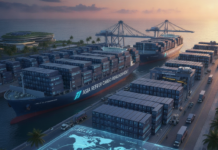
The logistics sector is facing renewed volatility as the New York Federal Reserve’s Global Supply Chain Pressure Index (GSCPI) recorded a significant surge in early 2026. Data released in May 2026 shows the index spiked to 1.82 in April, up dramatically from 0.68 in March. This marks the highest level of strain since July 2022, signaling a departure from the stable conditions of late 2024 and 2025. For shipping experts, this Global Supply Chain Pressure Index rise is a critical warning that severe bottlenecks are resurfacing.
Unlike the pandemic-driven constraints of 2021, the current Global Supply Chain Pressure Index rise is rooted in geopolitical instability. Key factors driving this upward pressure include:
- Geopolitical Conflict: War in the Middle East has severely disrupted global goods movement, driving up fuel prices.
- Red Sea Avoidance: Safety concerns have pushed shipping lines to abandon Red Sea routes for longer, more expensive transits.
- Pre-emptive Stockpiling: In anticipation of tariff uncertainty, corporations aggressively frontloaded inventory starting in late 2025.
The persistent Global Supply Chain Pressure Index rise suggests that commodity constraints are tightening, which historically elevates producer prices. Supply chain leaders must now navigate longer lead times and complex inventory hurdles. Organizations must rapidly pivot toward resilient, diversified sourcing models.
References
PYMNTS.com: Fed Data Shows Global Supply Chain Pressure Hits 4-Year High. ISCN.Academy: Supply Chains in a World That Refuses to Stabilise. MacroMicro: New York Fed GSCPI. Insurance Journal: Supply-Chain Stress. Financial Post: Supply-Chain Stress. YCharts: GSCPI Monthly.