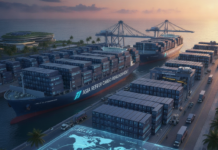
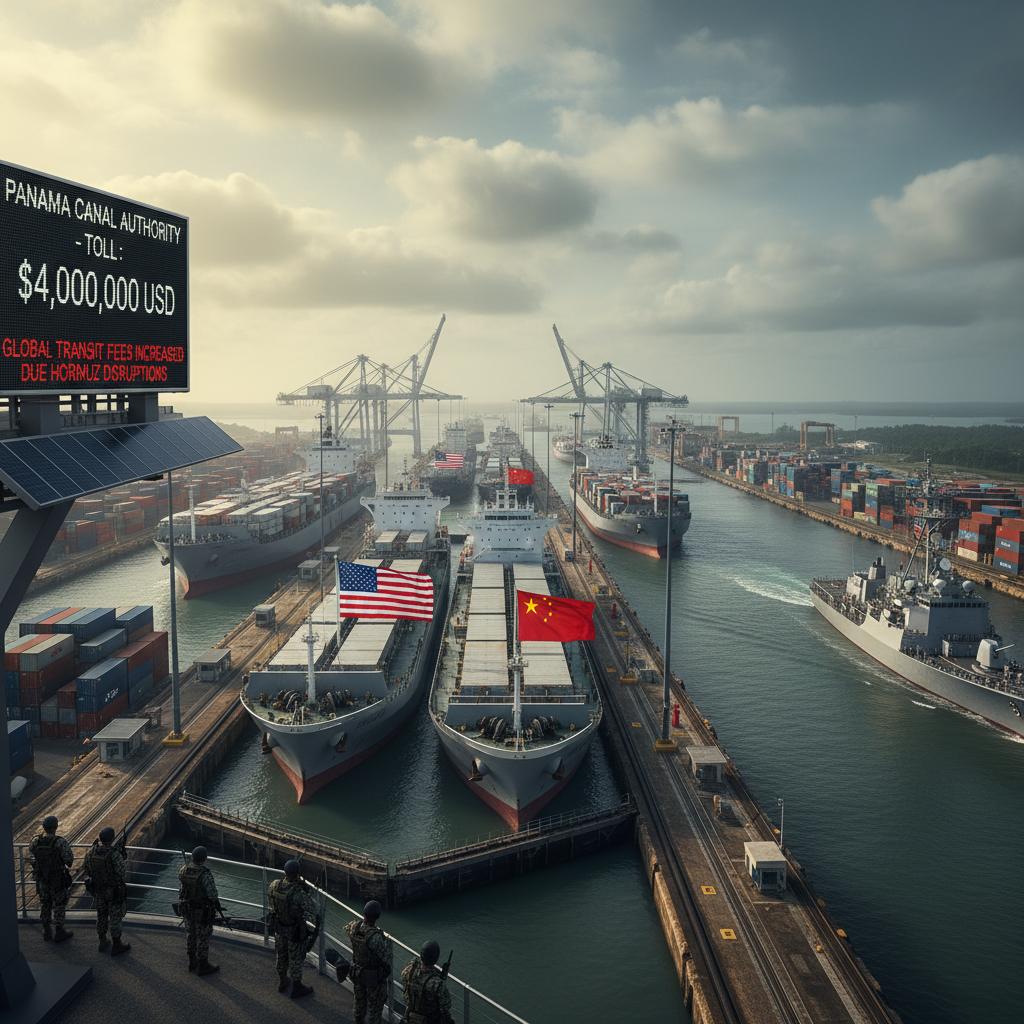
As global supply chains face unprecedented volatility, Panama Canal maritime geopolitical tensions have become the focal point of the international shipping industry. In the first half of 2026, the effective closure of the Strait of Hormuz amid escalating Middle Eastern conflicts forced shippers to urgently reroute global trade. Consequently, the Panama Canal has transitioned into an emergency escape route, with companies paying up to $4 million in last-minute auction fees to secure transit slots. This surge in demand underscores the waterway’s critical role as a stable alternative for cargo moving between the Atlantic and Pacific.
Compounding these rerouting pressures are direct Sino-U.S. power struggles over port control. In early 2026, Panama’s Supreme Court revoked a longstanding concession held by a Hong Kong-linked company to operate the Balboa and Cristobal port terminals, returning control to Panama. This legal shift directly addresses Western concerns over foreign influence at critical maritime chokepoints. Meanwhile, following severe 2025 drought restrictions, the Panama Canal Authority accelerated an $8.5 billion modernization plan. This initiative includes the development of new container terminals to add up to 6 million TEUs of annual capacity to future-proof operations.
For supply chain executives, managing Panama Canal maritime geopolitical tensions requires agile route planning and robust forecasting. To adapt to these strategic shifts, global shipping leaders are actively prioritizing several critical operational strategies:
- Securing advanced transit slots to avoid unexpected multi-million dollar auction premiums.
- Monitoring regulatory shifts surrounding foreign-operated port terminals in the region.
- Factoring the canal’s ongoing infrastructure capacity upgrades into long-term routing models.
With daily transits averaging 40 vessels on peak days in 2026 to accommodate redirected oil and bulk commodities, reliance on the waterway demands expanded logistics budgets. Ultimately, the convergence of Hormuz diversions and great-power competition solidifies the Panama Canal’s position as both a vital logistics lifeline and a primary geopolitical battleground.
References
- The Tico Times: Panama Canal Fees Hit $4 Million as Hormuz Tensions Reroute Trade.
- Vozpopuli: Ships are paying up to $4 million to cross the Panama Canal.
- Sri Lanka Guardian: Iran Conflict Sends Panama Canal Revenues Surging.
- Al Jazeera: ‘Turbulent and dangerous’: How shipping is the new global battleground.
- J.P. Morgan: MID-YEAR OUTLOOK 2026.
- FreightWaves: Panama Canal fights drought with $8.5B plan.