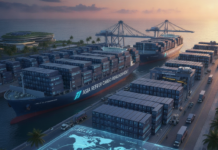
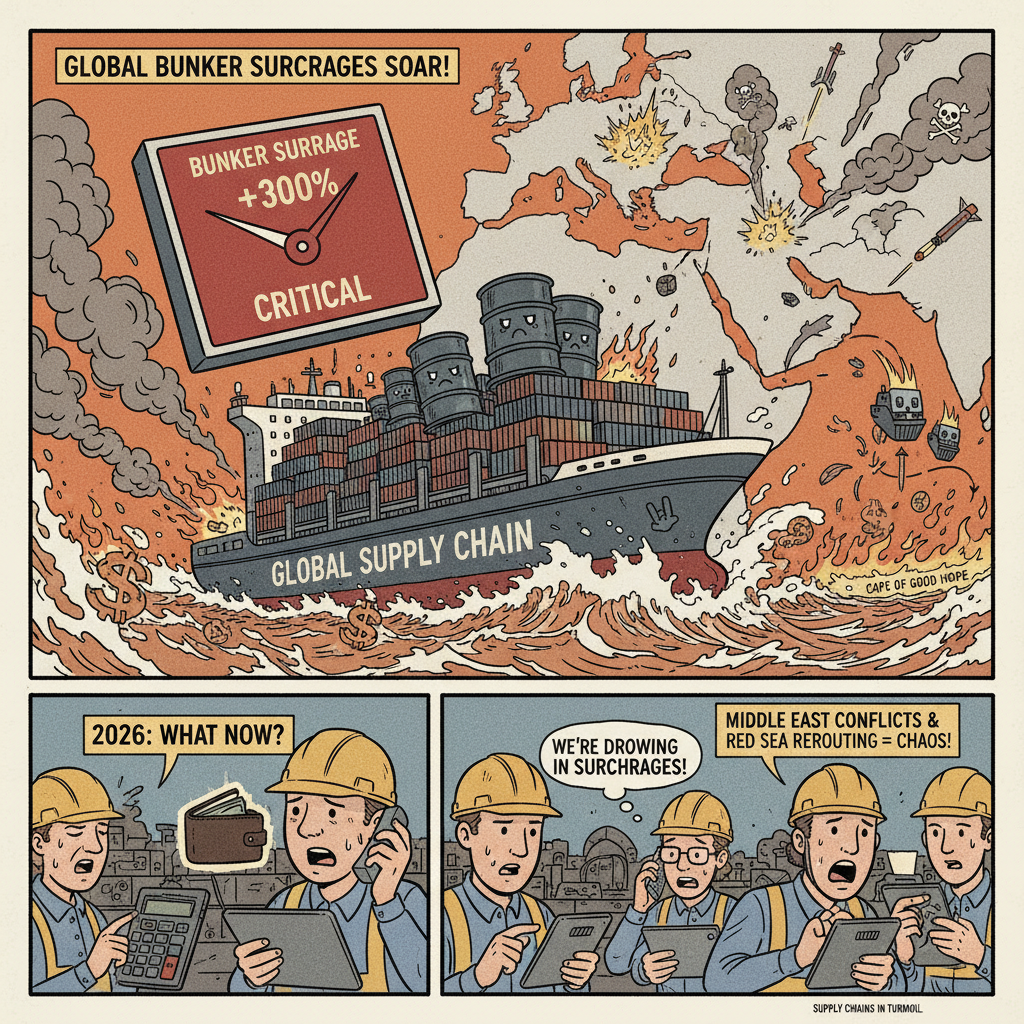
In early 2026, the logistics industry is grappling with unprecedented volatility as major carriers implement Global emergency bunker surcharges. Triggered by severe geopolitical conflicts in the Middle East and disruptions in the Strait of Hormuz, maritime fuel costs have skyrocketed. Between late February and early March 2026, the price of very low sulphur fuel oil (VLSFO) nearly doubled, reaching $986 per metric tonne in Singapore and $1,039 in Fujairah. Consequently, ocean carriers are passing these extreme fuel costs directly to shippers.
Rather than waiting for standard quarterly bunker adjustment factors, leading container lines including Maersk, MSC, and Hapag-Lloyd have introduced temporary Global emergency bunker surcharges. These surcharges have significantly inflated total freight bills. For example, Maersk implemented a surcharge of $400 per 40-foot container on long-haul dry cargo headhauls effective late March 2026. Other carriers have applied fees ranging from $150 per TEU to as much as $600 per container depending on the specific trade lane. Key factors driving these sudden rate hikes include:
- Massive Vessel Rerouting: Ships bypassing the Middle East for the Cape of Good Hope extend transit times by 10 to 14 days, burning significantly more fuel.
- War Risk Premiums: Insurance costs for vessels entering high-risk areas have spiked by up to 300 percent.
- Strait of Hormuz Disruption: With only a fraction of usual vessel traffic passing through the strait, fuel supply chains are heavily constrained.
For supply chain professionals, navigating these rapid cost escalations requires vigilant contract management. Since Global emergency bunker surcharges are monitored and adjusted regularly based on real-time fuel availability, shippers must request written confirmation of validity windows for any quoted accessorial fees. With cargo demand fluctuating and structural capacity issues persisting, businesses should brace for sustained pricing volatility throughout 2026.
References
- The Straits Times – Shipping disruption in the Middle East reaches Asian ports
- Bertling Group – Ocean Freight Market Report March 2026