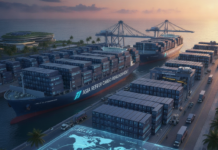
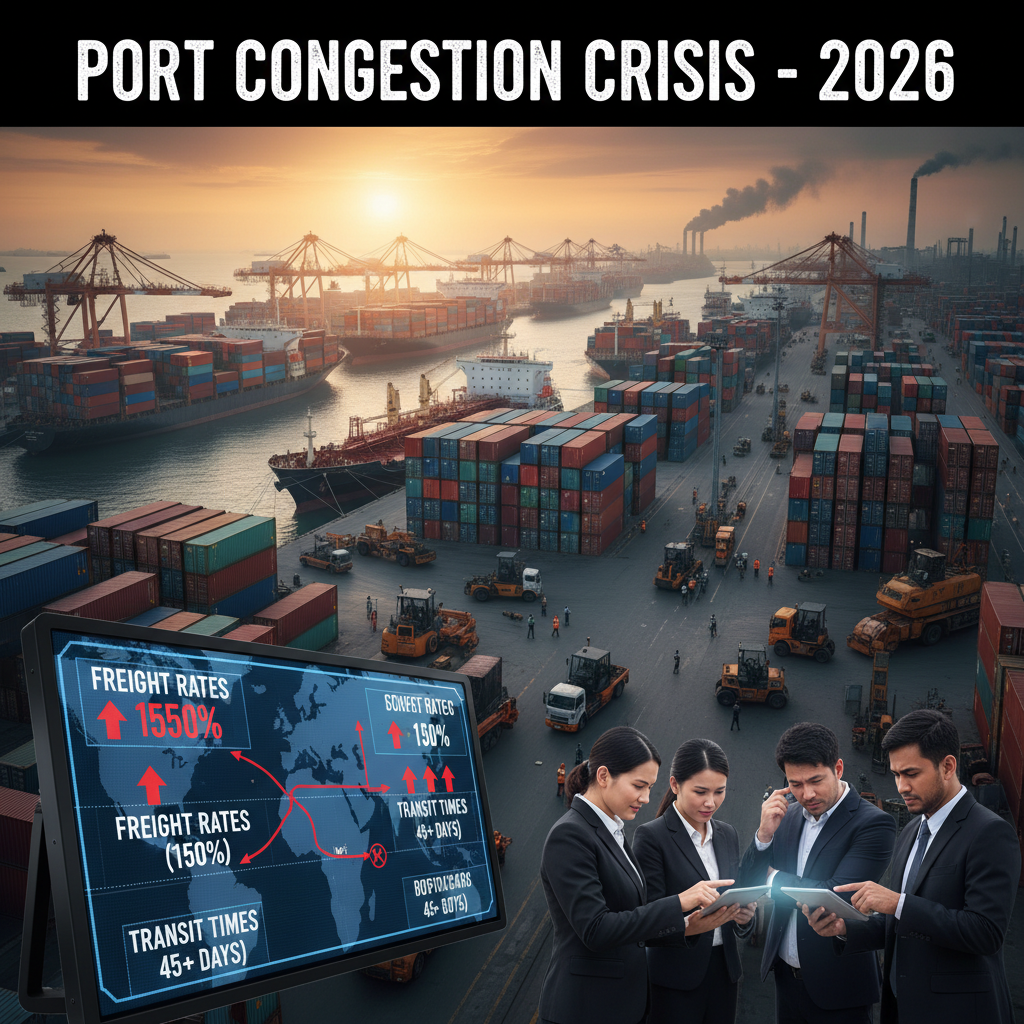
The global logistics landscape is facing severe strain as Southeast Asia chemical export port congestion reaches critical capacity in 2026. Triggered by persistent Red Sea diversions and Strait of Hormuz closures, massive vessel rerouting has cascaded into regional gateways. In early 2026, the Port of Singapore experienced peak berthing delays of up to 3.5 days, while Port Klang saw over 44% of vessels waiting at anchor. This bottleneck has left up to 450,000 TEUs stranded in queues, disrupting the delicate balance of petrochemical supply chains globally.
As US chemical imports from China declined by nearly 30% in 2025, companies aggressively shifted origin sourcing to alternative markets. This structural shift, combined with vessel bunching, has fundamentally exacerbated Southeast Asia chemical export port congestion. Freight rates on major Asia-to-US corridors spiked by 30-50% in early 2026, further inflated by war-risk premiums and fuel surcharges. Chemical exporters are now confronting transit time delays ranging from one to three weeks, forcing a painful reevaluation of just-in-time inventory models.
While hub backlogs initially disrupted schedules, transshipment centers like Singapore are gradually adapting as global shock absorbers. However, the domino logic of logistics dictates that delays will continue to migrate inland and affect downstream operations throughout 2026. To mitigate risks, shipping experts must proactively diversify routing networks, secure long-term capacity, and invest in real-time supply chain visibility to navigate the volatile chemical export market.
References
Tradlinx, “When Port Congestion Migrates” (2025). Seatrade Maritime News, “Container port congestion eases” (2026). Bertling Group, “Singapore Port Congestion” (2024). Xeneta, “Trade Volatility Is Breaking Chemical Supply Chains” (2026). The Straits Times, “Shipping disruption” (2026). Air7Seas, “How the 2026 War Impacts Global Trade” (2026).