

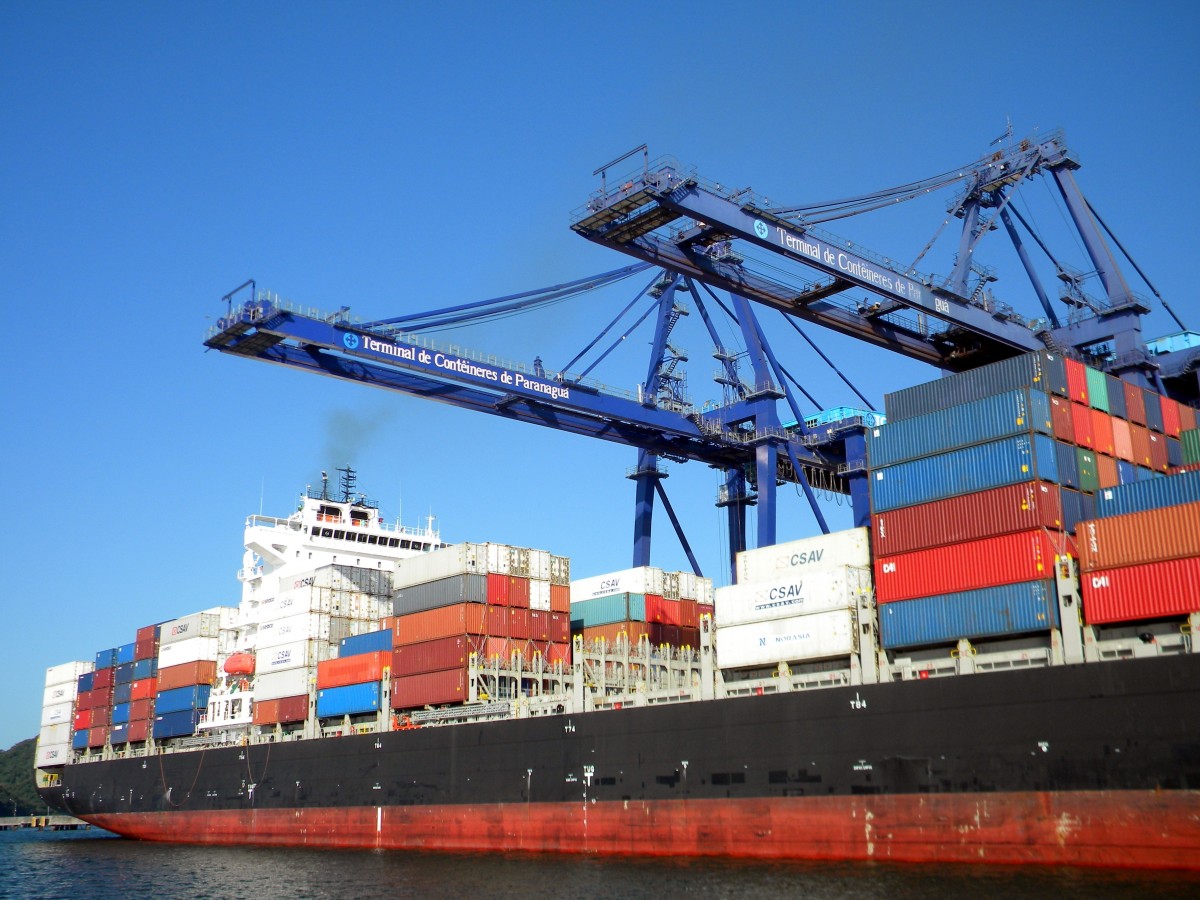
When considering the future of global shipping, it is wise to examine both current forecasts and the economic forces that have shaped the industry over recent decades.
The maritime sector faces a fundamental challenge: vessel capacity has grown faster than cargo demand. This imbalance stems from several structural shifts in global trade patterns that are reshaping shipping economics.
Since the 1990s, globalized supply chains stretched production across continents, with manufacturers seeking cost efficiencies through international networks. This model generated massive container volumes, particularly on Asia-US and Asia-Europe routes. However, recent years have seen significant changes to this pattern.
Several factors are driving this shift. The COVID-19 pandemic exposed vulnerabilities in long supply chains, prompting companies to diversify sourcing and bring some production closer to end markets. Geopolitical tensions have accelerated this trend, with firms reducing concentration risk by spreading manufacturing across multiple regions. Additionally, automation and changing labor economics have made some domestic production more viable than in previous decades.
For shipping, the implications are significant. Traditional high-volume routes may see reduced demand as trade patterns evolve. At the same time, new routes and regional connections are developing as manufacturing disperses geographically.
Quality and reliability are becoming more important than pure volume in many supply chains. Just-in-time delivery models and higher-value goods require different service levels than bulk commodity transport. This shift favors carriers that can offer reliability and speed over those competing solely on capacity.
Geopolitical risks also affect route planning. The security situation in the Red Sea has made the Suez route more expensive and less predictable for some carriers, with vessels facing higher insurance costs. The Cape of Good Hope route around Africa offers an alternative, though it adds significant transit time. Development of African ports and cargo opportunities along this route remains in early stages.
Latin America presents potential growth opportunities if infrastructure and regulatory reforms continue. Brazil and Mexico have seen increased trade volumes as their economies modernize. Other countries in the region may follow similar development paths, though progress varies significantly by nation.
Technological changes are also reshaping logistics. Remote work, which expanded dramatically during the pandemic, has proven sustainable for many industries. This affects urban development patterns and potentially the types of goods being transported. Artificial intelligence and automation are beginning to influence supply chain management, though widespread transformation remains several years away.
Infrastructure investments, particularly China’s Belt and Road Initiative, are creating new trade corridors linking Asia, Africa, and Europe. These developing routes may eventually rival traditional East-West shipping lanes, though the timeline for full development remains uncertain.
The industry must also adapt to changing cargo types. As Western economies shift toward services and high-value manufacturing, the composition of containerized goods is evolving. Electronics, pharmaceuticals, and specialized components require different handling than traditional bulk consumer goods.
A hub-and-spoke model is likely to become more prominent: feeder vessels serving regional ports, large container ships connecting major hubs, and expanding inland rail and truck networks providing last-mile connectivity. This structure offers flexibility as trade patterns shift.
The fundamental challenge remains the tonnage-cargo imbalance. Shipping lines ordered massive vessels during periods of high demand, but those ships are now entering service in a more constrained market. This overcapacity puts pressure on rates and profitability across the sector.
Carriers face difficult decisions about fleet deployment, route optimization, and service offerings. Some consolidation seems likely as companies struggle with excess capacity. Those that can adapt to changing trade patterns, manage costs effectively, and offer reliable service may find opportunities even in a challenging market.
The next two years will test the industry’s adaptability. Volume growth that characterized the past three decades appears unlikely to return at previous rates. Instead, shipping must navigate a more complex landscape of regional trade, diversified production, varied cargo types, and geopolitical uncertainties.
History shows that transportation industries can face rapid disruption when underlying economic patterns shift. The shipping sector must be prepared for significant structural changes as global trade evolves. Whether individual carriers emerge stronger or weaker depends on how effectively they respond to these transforming forces.
Overtonnaged and undercargoed, the industry faces significant headwinds. Success will require strategic flexibility, operational efficiency, and careful navigation of an increasingly complex global trading system.