Navigating the Era of Red Sea Shipping Diversions
The geopolitical landscape of global trade has fundamentally shifted, cementing Red Sea shipping diversions as a structural challenge rather than a temporary disruption. As of late 2026, logistics and shipping experts operate in a climate where route volatility demands unprecedented agility. These localized maritime bottlenecks have triggered global consequences, exacerbating equipment imbalances and lengthening transit times significantly. Understanding the long-term ramifications of Red Sea shipping diversions is now essential for supply chain survival.
Quantitative Impacts on 2026 Supply Chains
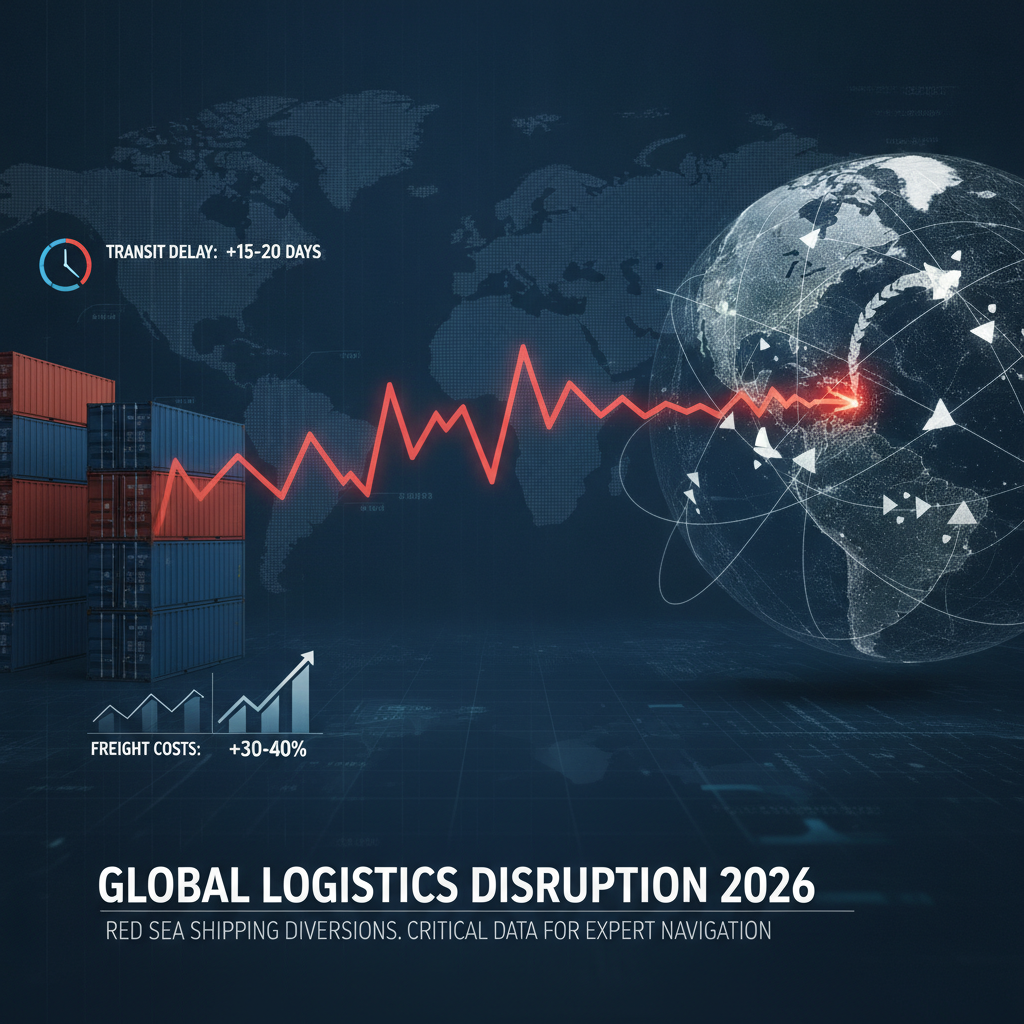
Recent industry data paints a stark picture of the ongoing operational and financial toll. According to 2026 intelligence, these diversions have increased transit times by 18 to 24 days for critical East-West trade lanes. Furthermore, the compounding effects of maritime detours and simultaneous geographic disruptions have pushed freight rates up by roughly 50% on vital global routes. The cascading effects include:
- Severe container availability constraints at destination ports globally.
- Elevated bunker fuel demand and increased supply chain emissions.
- Spikes in global disruption costs, which now total approximately $184 billion annually across the broader logistics ecosystem.
Strategic Mitigation for Shipping Experts
To combat the ongoing reality of Red Sea shipping diversions, forward-thinking logistics leaders are shifting away from traditional just-in-time inventory models. Procurement officers are increasingly relying on AI-driven supply chain risk governance and digitalized cargo management to maintain operational fluidity. Upgraded freight networks and automated tracking systems provide the real-time visibility necessary to redirect cargo proactively. Ultimately, adapting to these enduring route changes requires robust data integration and diversified carrier portfolios to insulate global operations from geopolitical shocks.
References
ICAT News Insights: Secure Logistics in Crisis Scenarios (2026). AI-Driven Supply Chain Risk Governance Report (2026). Optimas Solutions: The Fastener Supply Chain in a Changing World (2025). Freightos: Digitalization in Red Sea Crisis (2026). Global Food Inflation and Supply Shocks Report (2026).