The Tipping Point for Global Maritime Trade
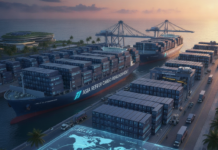
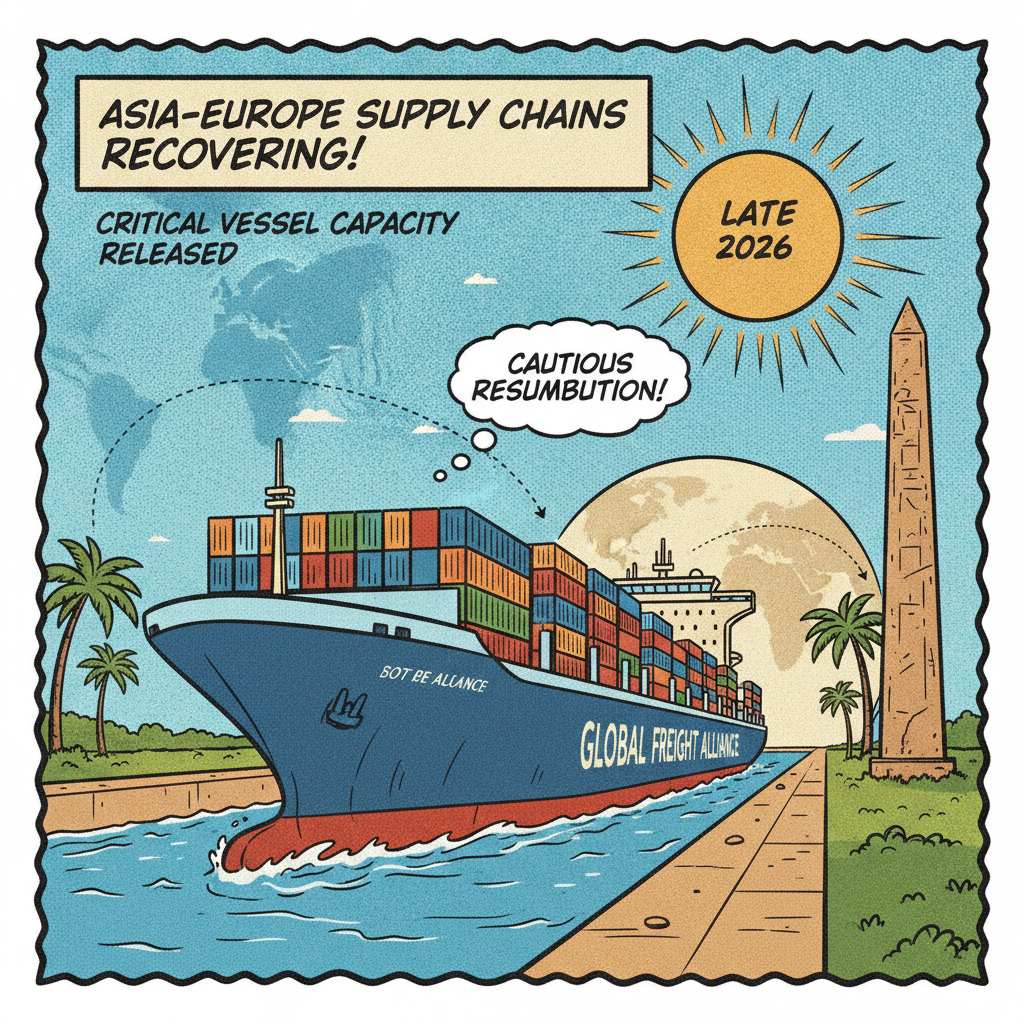
Since the severe disruptions of late 2023, the logistics sector has eagerly anticipated a Suez Canal Transits Resumption. By October 2026, major global networks, including the Premier Alliance and the Gemini Cooperation, have initiated cautious returns to the Red Sea corridor. This pivot marks a critical recovery phase for Asia-Europe supply chains, aiming to bypass the costly 10-to-15-day transit delays associated with Cape of Good Hope detours.
Key Drivers Behind the 2026 Recovery
Several pivotal factors are accelerating the Suez Canal Transits Resumption this quarter:
- Strategic Carrier Reintegration: Ocean carriers are reintroducing scheduled transits, with major lines confirming westbound voyages from Asia to Europe in late 2026.
- Economic Incentives: The Suez Canal Authority’s aggressive discounts and direct client communication have restored baseline confidence among ship operators.
- Shifting Regional Risks: Escalating threats in the Strait of Hormuz have paradoxically driven product tankers back to the Suez route, boosting August 2026 canal revenues to $567.1 million—the highest since late 2023.
Impact on Logistics Capacity
For shipping experts, this phased resumption offers significant capacity relief. Industry models indicate that a full return could unlock approximately 2.1 million TEU of nominal capacity, freeing up 6.5% of the active global fleet. However, the transition remains gradual. Logistics teams must prepare for mixed routings and inconsistent lead times as vessels slowly phase out of their African detours.
References
- The Maritime Standard (Oct 2026)
- Port Technology International (Oct 2025)
- Röhlig Logistics (Jul 2025)
- gCaptain (Oct 2026)
- Sada Elbalad English (Oct 2026)
- AL-MONITOR (Sep 2026)
- Forto (Sep 2026)