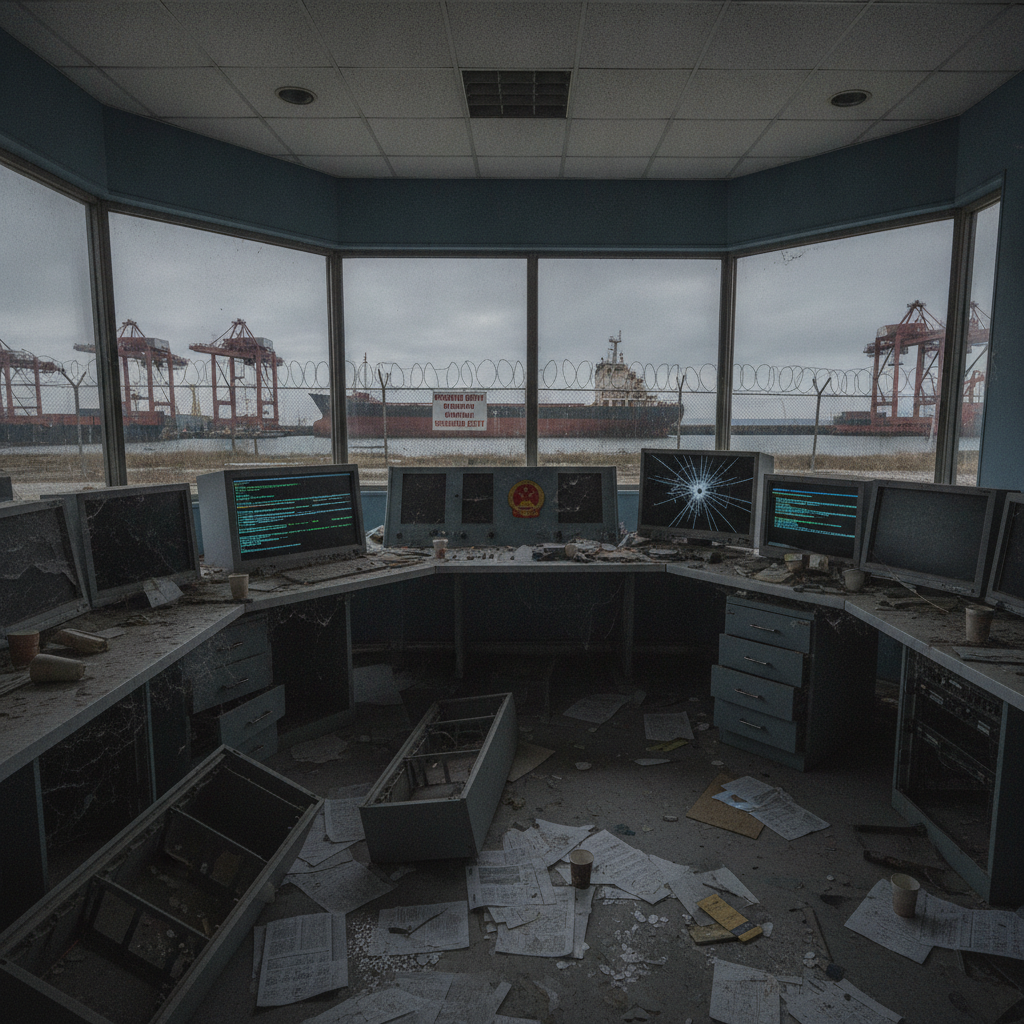
The Rapid Decline of a Logistics Superweapon
For years, Beijing’s National Transportation and Logistics Public Information Platform (LOGINK) was billed as the ultimate digital infrastructure for international shipping. However, a coordinated global China LOGINK Platform Pushback has effectively halted its maritime dominance. Recent October 2026 reports reveal that LOGINK’s primary operations hub in Wenzhou, China, currently sits abandoned, stripped of computer cabling and personnel. This stunning reversal underscores the effectiveness of international pressure against state-backed data networks.
Catalysts Behind the China LOGINK Platform Pushback
The pushback originated from deep national security concerns regarding maritime data sovereignty. U.S. policymakers warned that LOGINK could grant Beijing unprecedented visibility into commercial pricing, supply chains, and military logistics. Consequently, Washington enacted strict legislative countermeasures to secure global shipping routes.
- Legislative Bans: The U.S. National Defense Authorization Act (NDAA) for Fiscal Year 2024 officially prohibited the Pentagon and federally funded seaports from utilizing LOGINK.
- International Deterrence: American diplomats successfully pressured allied ports in Japan, South Korea, and Europe to sever ties with the logistics network.
Fallout from the China LOGINK Platform Pushback
This strategic resistance has triggered a cascade of financial distress for the Chinese entity. In 2024, the International Port Community Systems Association (IPCSA) expelled LOGINK for failing to pay its membership dues. Furthermore, domestic corporate filings indicate that the platform’s operational entity faces at least 39 lawsuits over unpaid bills and labor disputes. As Western nations increasingly prioritize maritime data security, LOGINK’s failed global expansion serves as a critical case study for logistics experts navigating geopolitical supply chain risks.
References
Business Times News, October 5, 2026. “China’s Global Shipping Data Platform Collapses Under US Pressure.”
Reuters, October 5, 2026. “The US said China was priming a trade superweapon. Then it vanished.”
US Department of Transportation, July 3, 2025. “Prohibited Platforms.”