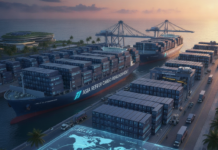
Why Are We Seeing a Resurgence in Logistics Industry M&A?
Heading into the final quarter of 2026, the supply chain sector is transforming. Market experts confirm that Logistics Industry M&A is rapidly accelerating alongside an improving macroeconomic environment. According to investment bank Harris Williams, steady improvements in the rate environment, GDP outlook, and corporate earnings are driving this deal momentum. Strategic buyers are increasingly targeting specialized sub-sectors that promise dynamic stability and a technological edge.
Key Sectors Driving Logistics Industry M&A in 2026
The landscape of Logistics Industry M&A is highly segmented, with investors prioritizing resilient assets over general freight capacity. Three distinct sub-sectors are capturing the majority of investment capital:
- Third-Party Logistics (3PL): Sophisticated 3PL providers command high valuations by developing tech-driven capabilities to turn raw data into actionable shipping strategies.
- Defense Logistics: European logistics M&A is surging as NATO members expand infrastructure to ensure seamless troop and equipment mobility.
- Automotive Aftermarket: Higher car prices force consumers to retain vehicles longer, making replacement parts and aftermarket logistics highly attractive targets.
The Future Outlook for Logistics Industry M&A
Analysts at Lincoln International note that high-quality transactions will aggressively shape the transport market through late 2026. As supply chain challenges continue to test economic resilience, shippers will rely on strategic consolidations to optimize spending and on-time performance. Ultimately, Logistics Industry M&A remains a critical tool for operators looking to secure long-term operational capabilities. References: Harris Williams Outlook 2025/2026; Lincoln International 2025/2026.