Introduction to Autonomous Freight Technologies
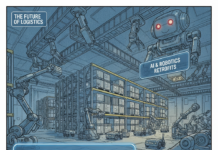
The global supply chain is undergoing a structural transformation as Autonomous Freight Technologies transition from pilot phases to commercial deployment. Logistics and shipping experts are increasingly investing in AI-driven mobility to combat rising operational costs and persistent commercial driver shortages. According to recent market analysis, the autonomous freight and logistics sector is projected to expand from $62.43 billion in 2025 to an estimated $290.87 billion by 2035, growing at a CAGR of 16.80%.
Key Trends in Autonomous Freight Technologies
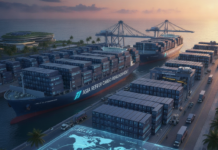
Several critical factors are accelerating the adoption of self-driving commercial vehicles. Europe is emerging as a significant innovation hub, with the regional autonomous truck market expected to reach $35.76 billion by 2033. This surge is heavily influenced by strict decarbonization mandates and the rapid expansion of hub-to-hub autonomous trucking corridors.
- Software and AI Evolution: The shift toward end-to-end driving stacks is reducing reliance on expensive hardware.
- Cross-Border Deployment: Fleet operators are leveraging intelligent infrastructure across major freight routes.
- Electric Integration: Over 69 percent of logistics manufacturers are developing electric heavy-duty vehicles with autonomous capabilities.
Future Outlook for Autonomous Freight Technologies
While regulatory harmonization remains a challenge, integrating autonomous freight systems offers undeniable unit economics by removing hours-of-service limits. Fleet operators who delay adopting these solutions risk losing competitive advantages in scheduling efficiency. Strategic investments in connected logistics infrastructure will define industry leaders.
References
- DataM Intelligence, Autonomous Freight & Logistics Market Forecast (2026).
- Self Driving Cars and Trucks Market Growth Report (2026).
- TimesTech, Europe Autonomous Truck Market Report (2026).
- Road Freight Transport Market Size (2026).