Is Your Supply Chain Resilience Ready for 2026 Global Shocks?
In an era defined by geopolitical tensions, supply chain resilience has rapidly evolved from a defensive contingency plan into a critical competitive advantage. Major network disruptions lasting a month or more now occur every 3.7 years, potentially costing businesses half a year’s profit [1]. Consequently, logistics and shipping experts are aggressively shifting their focus from pure cost efficiency toward system-level adaptability.
The Rising Cost of Structural Fragility
For decades, global supply chains were engineered for lean, just-in-time performance. However, volatile freight rates and mounting climate pressures have exposed the hidden vulnerabilities of these optimized models. A 2026 KPMG leadership survey of executives shows that resilience investments are now commonly running at 11% to 15% of revenue, a significant jump from the 5% to 10% seen in 2024 [2]. This financial commitment proves that supply chain resilience is now essential for protecting operational margins.
Building Supply Chain Resilience for the Future
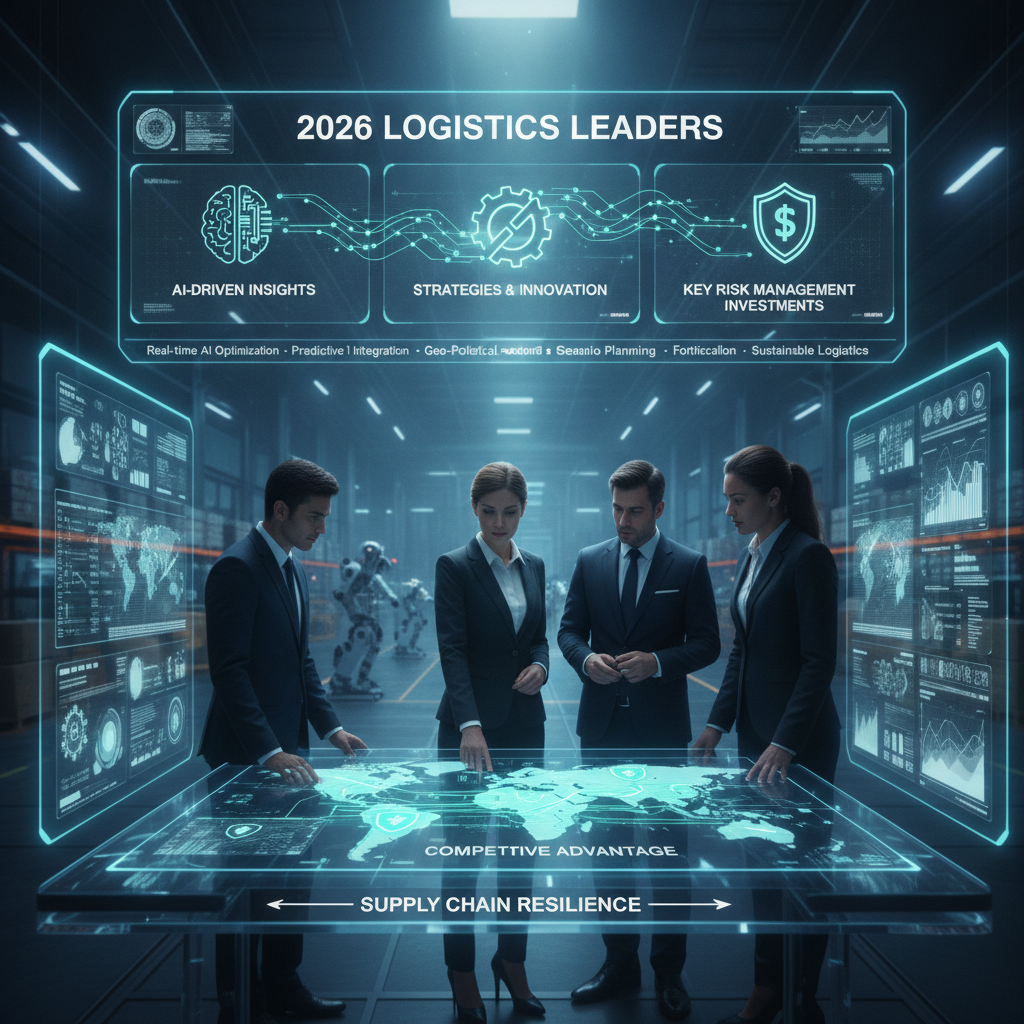
Modern resilience demands structural transformation rather than reactive fixes. Industry leaders are deploying proactive strategies to optimize global sourcing networks. To achieve this, organizations are adopting multi-tiered risk management approaches:
- Supplier Diversification: Implementing robust nearshoring and “China+1” strategies to distribute geographical risk across emerging regional markets [3].
- Cognitive Control Towers: Leveraging agentic AI and cloud-based hubs to predict port congestion, track hidden vulnerabilities, and automate complex decisions [4].
- Inventory Optimization: Balancing lean operations with strategic inventory buffers to absorb unexpected shocks without paralyzing the network.
Ultimately, a robust resilience framework relies on the continuous alignment of digital systems, physical infrastructure, and workforce capability. Logistics leaders who engineer resilience into their daily operations will easily outmaneuver competitors relying on outdated strategies.
References
- [1] Supplymint, What Is a Resilient Supply Chain? Strategies to Build One (2026)
- [2] KPMG 2026 Leadership Survey via Strategic Sourcing Insights
- [3] Coherent Market Insights, Supply Chain Resilience Market Trends (2026)
- [4] Trinetix, Trends in Supply Chain Management to Watch in 2026