
The AI and Sustainability Convergence
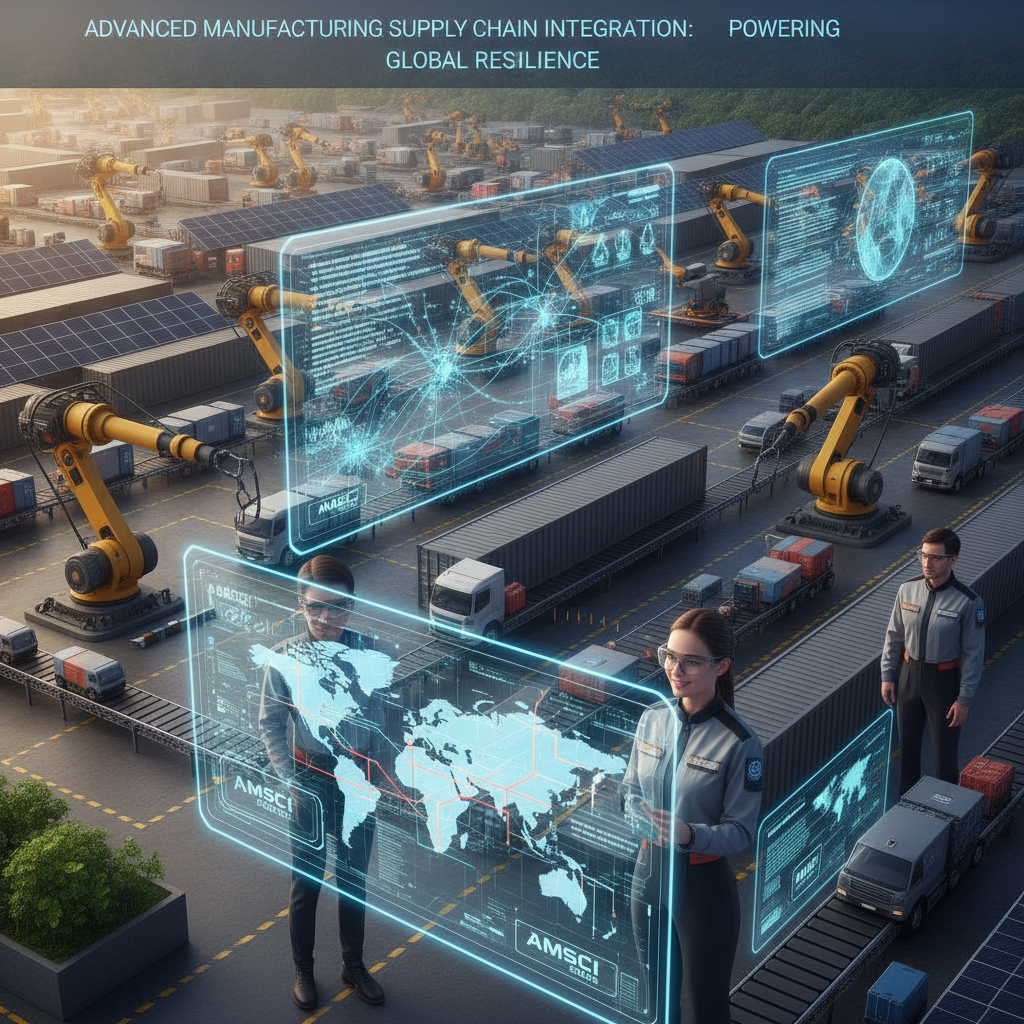
Advanced Manufacturing Supply Chain Integration has transitioned into an operational necessity for global logistics networks. According to a 2026 MDPI analysis, a marked pivot toward sustainability-oriented integration is heavily driven by artificial intelligence and big data. Logistics experts are increasingly deploying generative AI algorithms to orchestrate automation, optimize delivery routes, and reduce warehouse environmental footprints. This convergence allows shipping providers to align end-to-end transportation data effortlessly, bypassing integration hurdles that previously limited advanced analytics adoption to merely 10 percent of companies.
Advanced Manufacturing Supply Chain Integration Drivers
Recent research proves that internal, supplier, and customer integration directly amplify cost efficiency and network responsiveness. However, these logistical benefits peak only when supported by Industry 4.0 frameworks and green manufacturing practices. Freight leaders must note emerging catalysts driving this evolution:
- Predictive Resilience: Leveraging blockchain and AI to forecast freight disruptions and reroute shipments dynamically.
- Emerging Market Expansion: Countries like Cambodia recorded over $5.2 billion in 2026 investments to build supply chain integration for electric vehicle logistics.
- Collaborative Innovation: Seamless integration between partners accelerates shipping timelines and significantly boosts corporate innovation.
Scaling Advanced Manufacturing Supply Chain Integration in 2026
To remain competitive, freight brokerages must embed these intelligent frameworks into their ecosystems. Firms aggressively investing in synchronized research and development effectively mitigate the risks of partner dependence. Moving through 2026, building interconnected, AI-driven manufacturing hubs is the definitive strategy for sustainable trade.
References
Khmer Times: CDC approves $5.22B investment surge (2026). ResearchGate: Cost Efficiency in Manufacturing Firms (2026). PLOS One: Innovation performance of manufacturing firms (2025). Emerald Insight: Supply chain integration and firm innovation (2025). Fujitsu: Sustainable AI Supply Chain (2025). MDPI: Supply Chain Integration Emerging Trends (2026).