
Why Perishables Cold Chain Automation is Surging in 2026
The logistics industry is currently witnessing a massive technological shift. The global cold chain logistics automation solution market, valued at $650 million in 2025, is projected to surpass $1 billion by 2032. This rapid expansion is heavily driven by the booming demand for temperature-controlled warehousing and transportation.
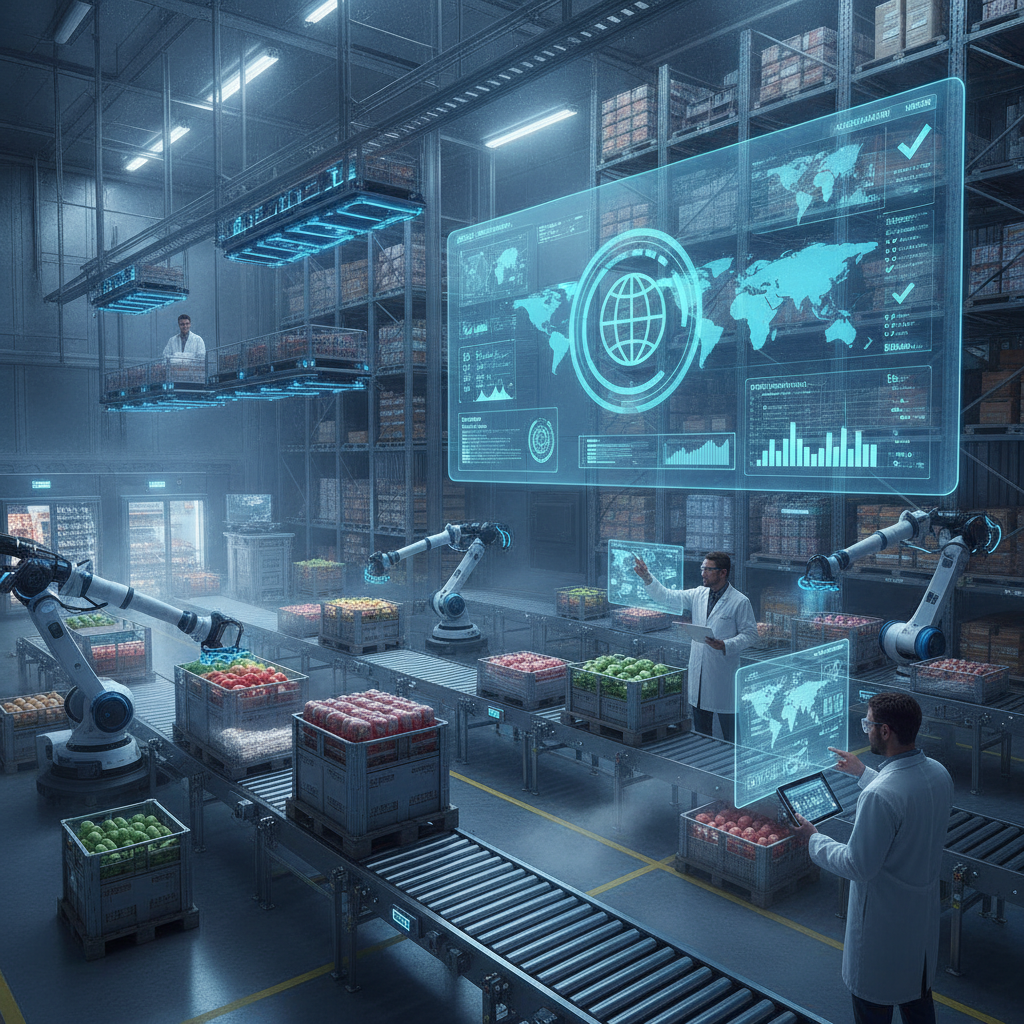
As e-commerce demand for fresh goods surges by 28% annually, over 65% of food and beverage companies are prioritizing perishables cold chain automation to meet strict delivery timelines and prevent spoilage. Advanced automated sorting, robotics, and integrated Internet of Things (IoT) sensors are transforming once-vulnerable supply routes into precision-driven networks.
Emerging Trends in Perishables Cold Chain Automation
In 2026, leading shipping experts are moving beyond traditional refrigeration and embracing predictive technologies to secure product integrity. Major grocers have even deployed specialized autonomous drones across sub-freezing distribution facilities to conduct real-time inventory scans without human intervention.
Key technological advancements driving perishables cold chain automation include:
- IoT Tracking: Advanced sensors enabling real-time condition monitoring and temperature compliance alerts across vast transit routes .
- AI Analytics: Computer vision and machine learning algorithms predicting supply chain bottlenecks and identifying decaying items instantly.
- Automated Warehousing: Automated Storage and Retrieval Systems (ASRS) operating flawlessly in sub-zero environments to enhance inventory throughput.
Future Outlook for Supply Chain Experts
For logistics professionals, adopting perishables cold chain automation is no longer optional but a regulatory and financial necessity. The integration of item-level RFID tracking and cloud-connected sensors guarantees traceability from farm to pharmacy, effectively neutralizing costly temperature excursions. As global trade networks expand, these automated ecosystems will remain the backbone of sustainable, high-efficiency perishable logistics.