
The Shift to Real-Time Freight Carbon Monitoring Software
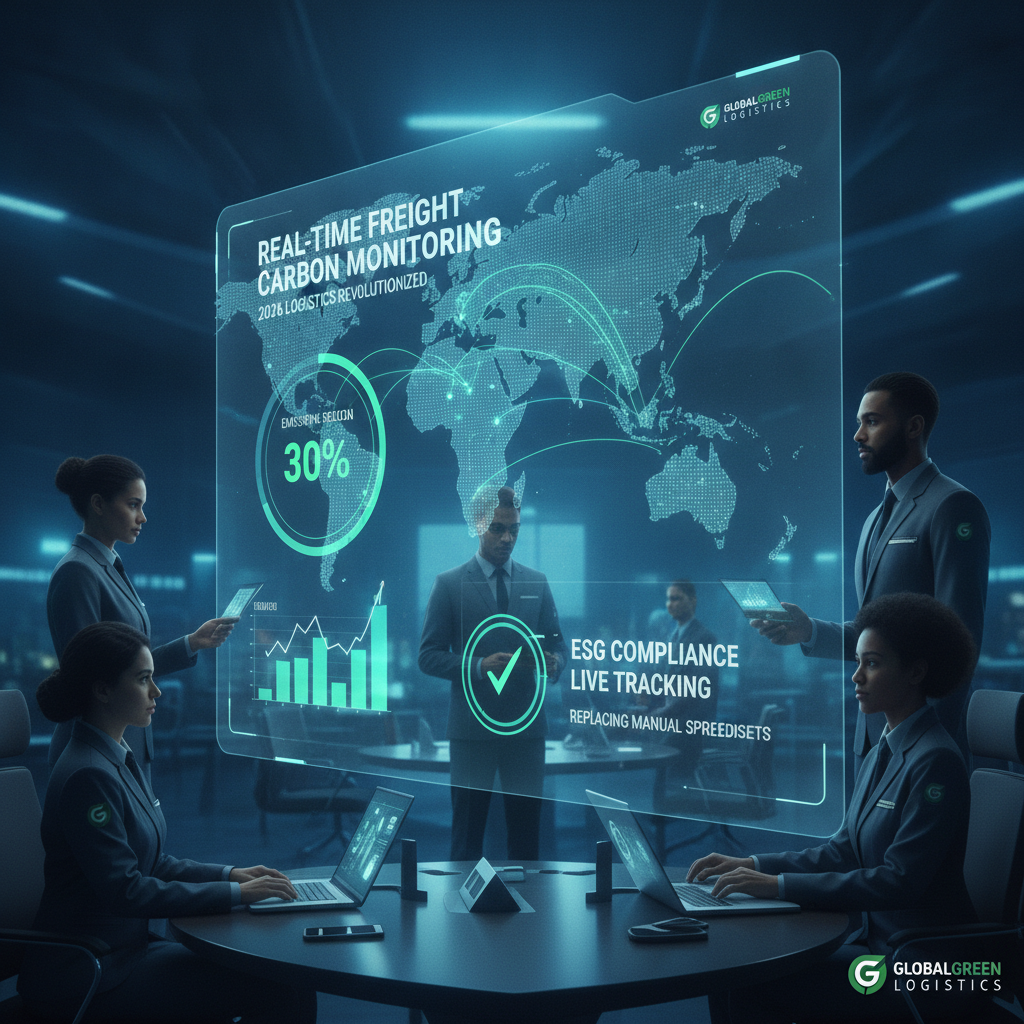
In 2026, the logistics landscape has fundamentally shifted. Clients and regulators no longer accept estimated quarterly emissions reports; they demand verifiable, Real-Time Freight Carbon Monitoring. With global CO2 emissions hitting a record high of 37.8 gigatonnes, supply chain sustainability has transitioned from a public relations exercise into a critical business imperative.
Why Real-Time Freight Carbon Monitoring Matters
The reliance on manual reporting is rapidly becoming obsolete. According to the MIT Center for Transportation and Logistics 2025 State of Supply Chain Sustainability report, a staggering 66.1% of organizations still relied on spreadsheets to track Scope 3 emissions. This manual approach is being replaced by integrated carbon accounting systems. Industry forecasts project the global carbon accounting software market to surge at a 23.6% CAGR, reaching $100.84 billion by 2032.
Key Benefits of Live Carbon Visibility
Integrating Real-Time Freight Carbon Monitoring into daily operations offers significant competitive advantages:
- Route Optimization: AI-driven, real-time vehicle tracking can reduce transportation emissions by 20% to 30% while generating substantial fuel savings.
- Regulatory Compliance: Live dashboards allow immediate alignment with strict government ESG mandates and end-to-end emissions auditing.
- Consumer Demand: Nearly 60% of consumers are now willing to pay a premium for products sourced from sustainable supply chains.
Moving Toward Sustainable Logistics
The deliver-at-any-cost era is officially dead. Forward-thinking providers are utilizing granular tracking data to capture profit-boosting insights that simultaneously slash emissions. Ultimately, continuous emissions tracking is the backbone of supply chain transparency and survival in modern commerce.