
Understanding the China Container Shortage in 2026
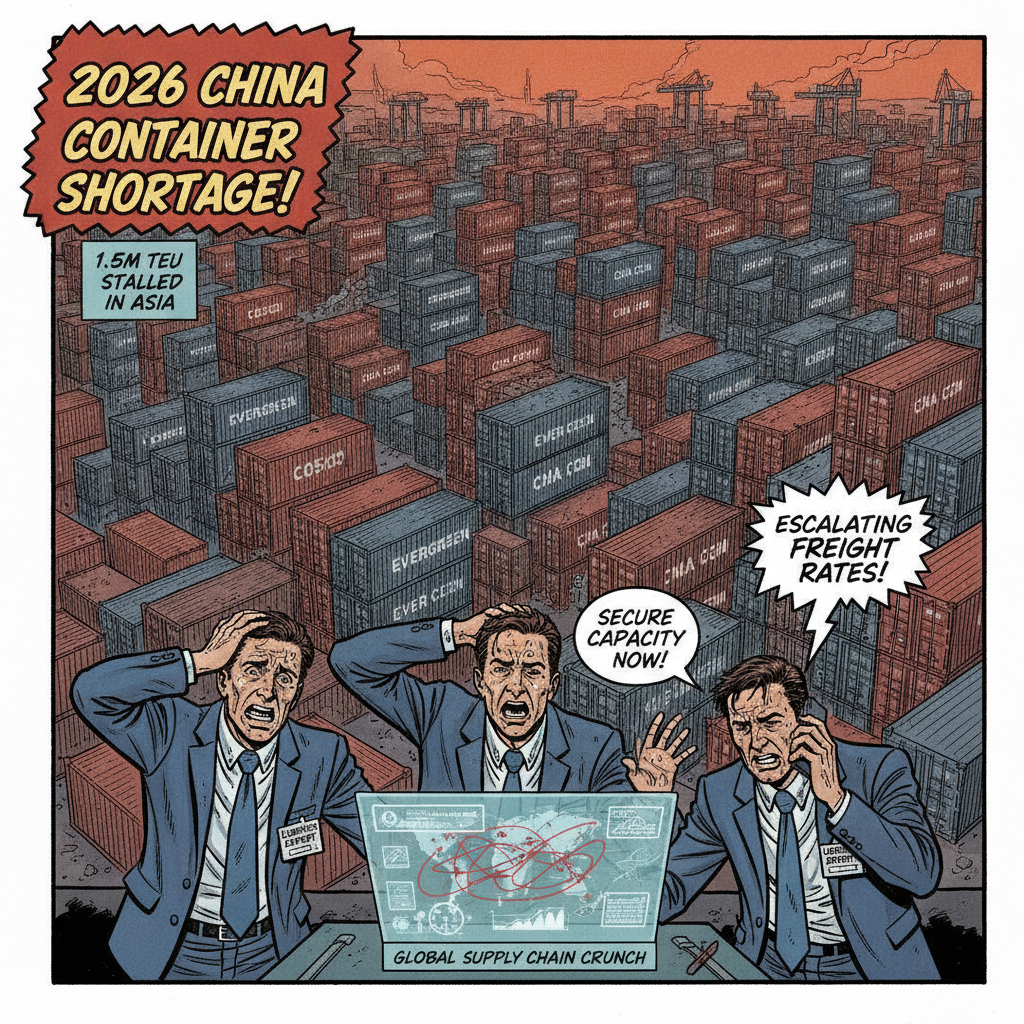
The logistics industry is currently grappling with a severe China Container Shortage, fundamentally reshaping global trade dynamics in the second half of 2026. Recent industry analytics indicate that approximately 1.5 million TEU of shipping capacity is currently stalled in North Asian ports, with Chinese gateways bearing the brunt of the backlog. This equipment deficit, driven by a confluence of geopolitical disruptions, port congestion, and aggressive inventory frontloading by shippers, has triggered massive spikes in ocean freight rates.
Key Drivers of the China Container Shortage
Industry experts pinpoint several critical factors exacerbating this bottleneck. E-commerce spikes and shifting trade routes have created unprecedented imbalances.
- Port Congestion: Wait times at major hubs like Shanghai’s Waigaoqiao terminal have stretched to three to seven days due to heavy weather and severe overbooking.
- Rate Escalation: The Shanghai Containerized Freight Index (SCFI) recently reported mid-June FAK prices soaring to $6,000 per 40ft container.
- Extended Lead Times: Exporters are now facing delays of one to two weeks just to secure empty containers and vessel bookings out of Asian dry ports.
Strategies to Navigate the China Container Shortage
For logistics professionals and supply chain managers, mitigating the risks associated with the China Container Shortage requires immediate strategic pivots. Shippers must look beyond securing the lowest freight rates and instead prioritize guaranteed space and supply chain continuity.
- Diversify Routing: Utilize alternative ports or air fulfillment strategies for high-value goods to bypass congested maritime hubs.
- Early Booking: Factor in the extended delay for container procurement and book slots well in advance of peak seasons.
As the peak shipping season continues, ocean carriers expect demand to remain at or near capacity. Agile capacity management and real-time visibility will be paramount for global logistics operators.