
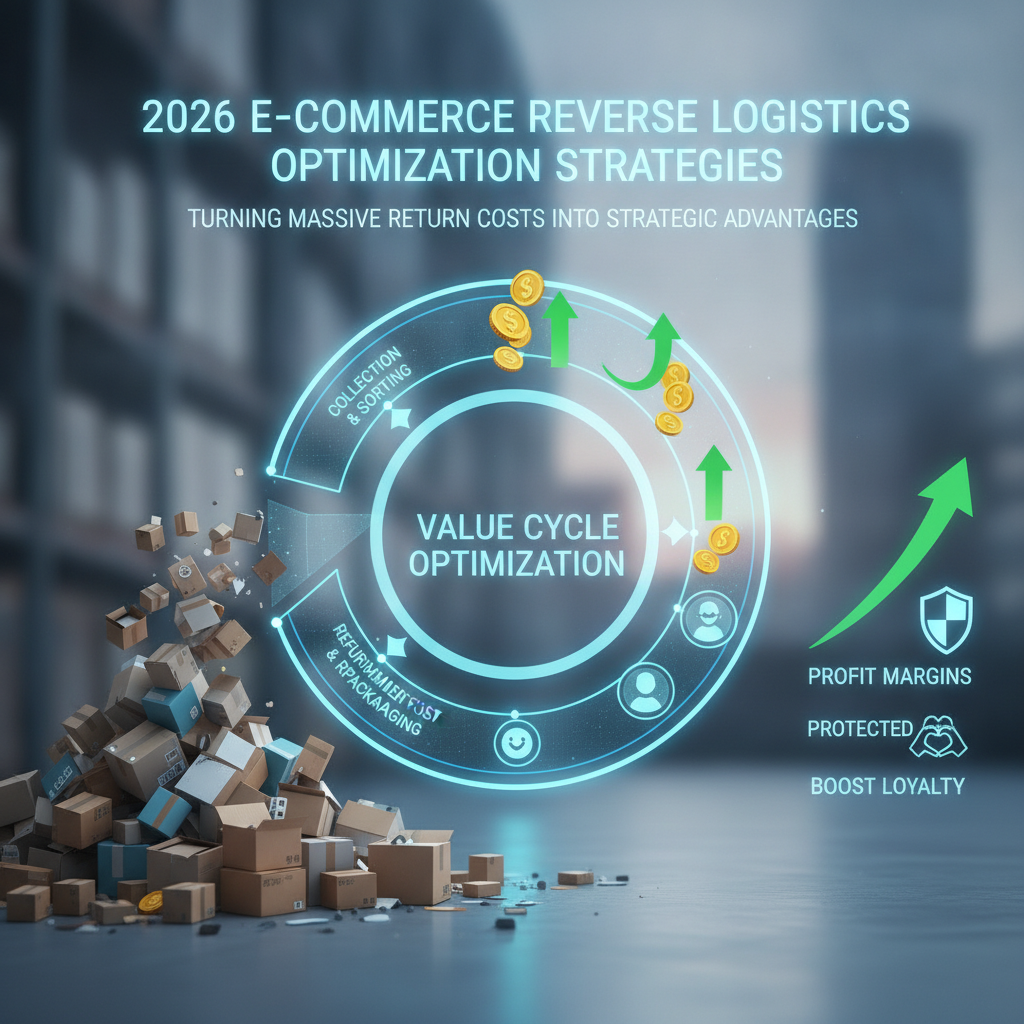
In the rapidly evolving digital retail landscape, mastering E-Commerce Reverse Logistics Optimization has become a critical survival metric for global brands. Gone are the days when product returns were treated as a mere back-office cost center. Today, industry leaders view reverse logistics as a front-line strategic differentiator capable of securing customer loyalty and protecting fragile profit margins. With consumer habits like bracketing driving up volumes, businesses must adapt quickly to process boomeranging inventory efficiently.
Recent 2026 market data reveals that average e-commerce return rates currently sit around 19-20%, which is significantly higher than the 5-9% return rate seen in brick-and-mortar stores. Processing a single e-commerce return typically costs a retailer between $10 and $65, effectively swallowing up to 30% of the original product’s value. The fashion and apparel sector is particularly vulnerable, with baseline return rates exceeding 25% and some highly sensitive subcategories reaching up to 90% due to sizing uncertainties. Without immediate operational changes, these reverse supply chain costs can easily erase a retailer’s hard-earned seasonal profits.
To transition from loss mitigation to value recovery, logistics experts are implementing several highly effective operational frameworks in 2026. Key modernization strategies include:
- Advanced Returns Triage: Utilizing AI-driven inspection software to instantly determine whether an item should be restocked, refurbished, or recycled.
- Sustainable Packaging Adoption: Deploying right-sized, reusable mailers to minimize reverse freight surcharges and comply with strict new environmental laws.
- Consolidated Drop-Off Networks: Partnering with ubiquitous retail locations and locker networks to bundle return shipments and significantly lower per-parcel transportation costs.
Ultimately, the winners in modern digital commerce are no longer those attempting to completely eliminate returns, but those who optimize the entire value cycle. Implementing comprehensive reverse logistics strategies allows brands to process unavoidable consumer demands efficiently and sustainably. By turning a logistical headache into a frictionless customer experience, retailers can successfully recover lost revenue and foster long-term brand loyalty.
References
DHL E-Commerce Trends Report 2026: dhl.com
HereWeShip Ecommerce Returns 2026 Data: hereweship.com
E-commerce Returns Packaging Market Forecast: mordorintelligence.com