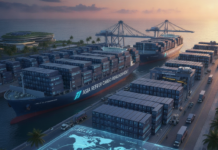
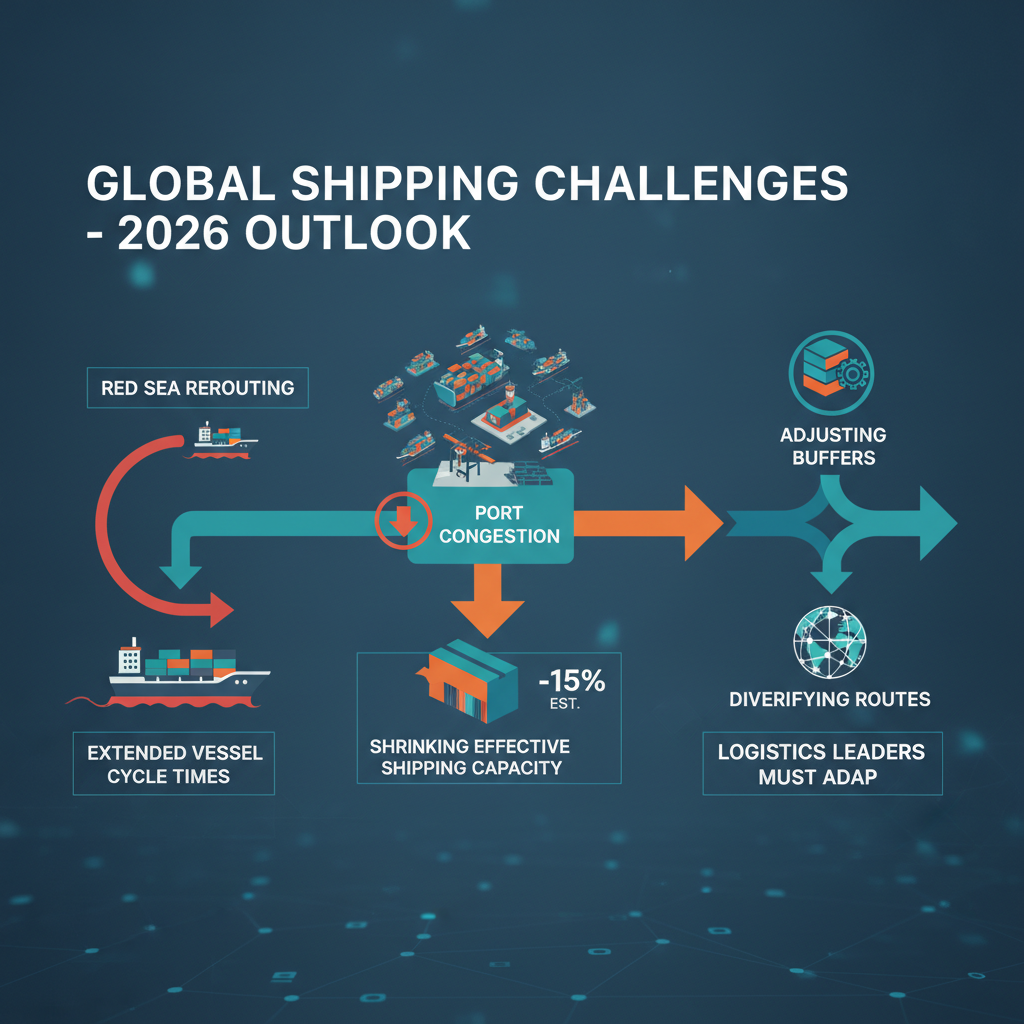
In 2026, the global logistics sector is confronting a structural transformation driven by Extended Vessel Cycle Times. With major carriers diverting routes around the Cape of Good Hope, transit times have increased by 10 to 20 days on key corridors. This prolonged rotation means ships take significantly longer to complete a single circuit, severely constraining the frequency of available sailings. For supply chain professionals, these Extended Vessel Cycle Times present an operational paradox: despite massive global fleet expansions, effective market capacity remains tight.
The root causes of this shipping disruption extend beyond simple geographic rerouting. Global supply chains are battling compounding inefficiencies that drastically drag out voyage durations.
- Geopolitical Rerouting: Bypassing the Suez Canal adds thousands of nautical miles, pushing Asia-Europe transit times well past 30 days.
- Cascading Port Congestion: Vessels face extended waits at anchor, with major discharge ports seeing delays of 5 to 10 days during peak demand.
- Diminished Reliability: Global on-time performance metrics have fluctuated heavily, forcing widespread blank sailings.
The maritime industry is simultaneously digesting a record influx of new capacity, with 2.3 million TEU ordered by mid-2025. However, the inefficiency of Extended Vessel Cycle Times is absorbing this massive surplus. To navigate this volatile landscape, logistics experts must shift from reactive to proactive network management.
- Diversify carrier alliances to mitigate isolated network bottlenecks and rolled cargo.
- Increase safety stock buffers to account for highly unpredictable lead times.
- Monitor environmental costs like the EU ETS, which add expenses to longer voyages.
Adapting to this new baseline requires factoring in extended maritime durations as a permanent operational variable.
References
Us Iran Tension Coal Freight Cif – Global Coal Trade
Rerouting from Asia in 2026: Why Transit Times Are Up 40% and Supply Chains Are Failing
2026 Container Transit Times: Red Sea Delay Impacts – FreightAmigo
Container Shipping Faces Prolonged Excess Capacity – Metro Global
Container Shipping Forecast 2026: Rates, Routes and Risks – Maritime Gateway