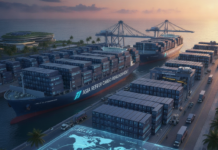


For logistics and shipping experts, the traditional July-to-October ocean freight peak is rapidly becoming obsolete. In 2026, the industry is experiencing a severe Early Peak Season, fundamentally altering how global supply chains operate. This structural shift has seen major importers aggressively accelerating freight movements into May and June to secure vessel space ahead of looming capacity crunches.
Several converging factors have created a perfect storm for this accelerated timeline. Importers are front-loading cargo to evade expected July tariff increases and looming peak season surcharges. Furthermore, ongoing geopolitical tensions, particularly the Red Sea diversions, have extended transit times and absorbed excess market capacity. Key drivers include:
- Tariff-driven front-loading by major US and European importers.
- Extended transit times caused by persistent Red Sea shipping diversions.
- Anticipated July bunker adjustment factors (BAFs) driving shippers to move cargo early.
The financial impact of this Early Peak Season is already stark. Recent data from the Drewry World Container Index showed a massive 23 percent week-over-week surge in early June 2026, pushing average rates to $3,433 per 40-foot container. Some spot prices for early June shipments are experiencing extreme volatility, climbing toward $6,000 to $7,000 per FEU. Logistics leaders must adapt their procurement frameworks immediately. Relying on early-year data signals rather than traditional Q3 forecasts is now critical to dictate booking schedules and prevent late-season stockouts.
References
metroglobal.com – Early peak season surge tightens Asia ocean freight markets.
indexbox.io – Container Freight Rates Surge 23 Percent as Early Peak Season Drives Demand.
logisticsgreat.com – Mastering Early Peak Season Space Sourcing Amid 2026 Market Shifts.
lloydslist.com – Container spot rates still rising, heading toward Red Sea crisis highs.
drewry.co.uk – World Container Index 11 Jun 2026.